












PPGI PPGL roofing color coatings come in polyester, silicone-modified polyester, high-durability polyester, and PVDF. For coated metal roofing, PVDF is usually the strongest pick for sunlight, fading, and chalking. Even so, corrosion resistance depends on the full roof system, not paint alone. This guide to PPGI PPGL roofing color coatings shows how to compare the finish, the metal layer, and the spec before you buy.
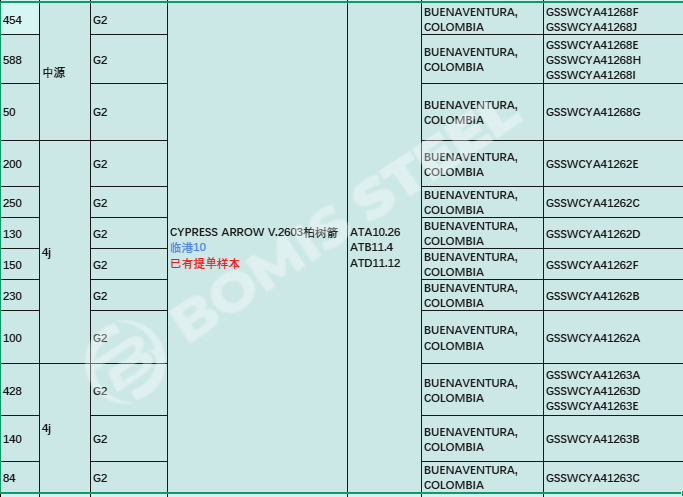
Field Note from Our Shipping Desk: On November 12, 2,804 tons of coated steel coils departed aboard M/V Cypress Arrow V.2603, headed straight for Buenaventura, Colombia.
Across dozens of export orders like this one, we’ve seen firsthand that choosing the right substrate is only half the battle—selecting the wrong paint system for a project’s local climate can cut a roof’s lifespan in half.
To help buyers avoid premature chalking and corrosion, let’s look at the available color coatings and finishes for PPGI and PPGL roofing sheets, and determine which ones truly withstand the elements best.
Which color coating lasts best?
PVDF usually gives the best long-term weathering and color hold among PE, SMP, HDP, and PVDF roofing coatings. SMP and HDP do better than standard polyester, but the result still depends on the formula. For corrosion protection, compare the substrate, surface prep, primer, and paint system together rather than assuming every PVDF-coated sheet is equal.
The main options have different strengths:
| Kaplama | Main strengths | Buying note |
|---|---|---|
| PE: polyester | Low cost, flexible, and available in many colors | Use for light exposure; expect weaker weathering than premium systems. |
| SMP: silicone-modified polyester | Better weather resistance and gloss hold; good hardness | A solid balance of life and cost for homes and commercial roofs. |
| HDP: high-durability polyester | Better UV resistance, color hold, and outdoor life | Ask for product-specific proof, not the HDP name alone. |
| PVDF: fluoropolymer | Strong fading, chalking, and weather resistance | Often chosen when lasting appearance matters and the budget allows. |
These are broad selection guidelines, not the same performance specs. Makers use different formulas within each coating family.
Hardness and weather resistance are also different properties. A coating that resists scratches well does not always keep color the longest outdoors; Sherwin-Williams, for example, rates its SMP system higher for hardness than its standard PVDF system, while PVDF scores higher for weathering.
Colors and decorative finishes change the look
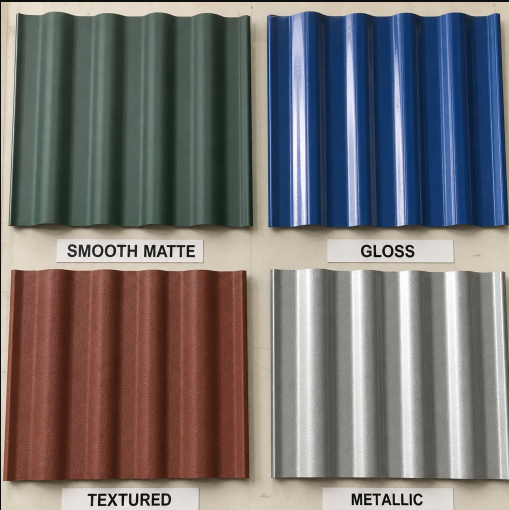
Roofing coatings come in whites, grays, reds, blues, greens, browns, and blacks, plus special effects. Depending on the supplier and paint system, you can choose from different looks. These include smooth finishes, low-sheen or matte surfaces, textured coatings, and mica or metallic effects. Confirm that the chosen mix is offered for the actual roofing product, not just shown in a general coatings catalog.
Separate your appearance choices into three parts:
- Color: Choose an agreed physical reference or approved sample, not just a description such as ‘dark gray.’
- Sheen: Specify matte, low gloss, standard gloss, or another available finish so quotes describe the same look.
- Effect or texture: Identify whether you want a solid color, crinkle texture, or metallic look, then confirm its coating chemistry.
If a supplier offers RAL-referenced colors, ask which shades are available in your chosen resin system and sheen. Request physical samples, minimum order quantities, and production lead times before final approval. Treat custom-color availability as a quote detail, not an assumption.
How do PPGI and PPGL differ beneath the paint?
PPGI is prepainted galvanized steel, with zinc under the paint. PPGL is prepainted aluminum-zinc alloy-coated steel, often linked to the Galvalume family. Aluminum-zinc coatings mix aluminum’s barrier protection with zinc’s galvanic protection, but the substrate label alone does not prove it suits every environment. (en.wikipedia.org)
That matters when paint is damaged or steel is exposed at cut edges. GalvInfo says coating thickness affects undercutting corrosion and paint peeling, especially with galvanized sheet. A premium topcoat cannot make up for a poorly specified metallic coating underneath.
PPGL can be a strong pick for atmospheric corrosion resistance, but ‘PPGL is always best near the sea’ is too simple. BlueScope’s marine guidance separates ordinary coastal exposure from severe marine conditions and recommends different products. Salt deposits, prevailing winds, and spots not washed by rain all affect choice.
For a coastal warehouse, get written approval for the exact product and site. State the roof underside and the outside exposure too; a sheltered back coat may face a different moisture or chemical load from the visible face.
Match the full system to the site
Start with the exposure, then shortlist products. Sunlight mainly attacks color and binder stability, while steady moisture and harsh deposits make corrosion protection more important. Industrial sites need extra care because the chemical load varies from place to place.
Use these scenarios to frame supplier talks:
- Inland home with moderate exposure: Compare exterior-grade PE, SMP, and HDP against the needed appearance life and upkeep.
- Highly visible roof in strong sunlight: Put fade and chalk resistance first; include PVDF in the comparison.
- Coastal warehouse: Request a marine-approved substrate and coating mix, including limits on distance and exposure.
- Industrial or farm building: Describe emissions, humidity, cleaning habits, and underside conditions before you accept a recommendation.
For budgeting, compare installed choices over the same ownership period. Include access, maintenance, possible recoating, and disruption, not just the sheet price. A higher coating cost can be worth it when appearance or hard roof access matters.
What should a roofing coating specification include?
A useful spec names the steel, metallic coating, full paint system, appearance, and use conditions. ‘Blue PPGL’ or ‘PVDF roofing’ leaves key performance variables open. Ask suppliers to quote the same written requirements so you can compare equal systems, not just similar-looking sheets.
Use this purchasing checklist:
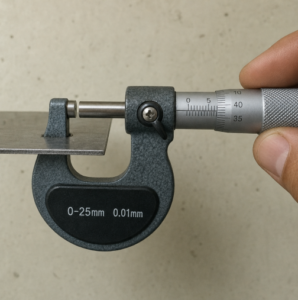
- Steel grade and thickness: State the required grade, nominal thickness, tolerances, and whether thickness means base metal or total coated material.
- Metallic coating: Identify zinc or aluminum-zinc alloy and its coating mass, with the measurement basis clearly stated.
- Paint system: Name the coating product or resin family, surface prep, and primer, not just ‘color coated’.
- Paint build: State primer and topcoat dry-film thickness separately, or clearly define a combined figure.
- Reverse-side protection: Describe the back coat and whether it suits condensation, exposed interiors, or other expected conditions.
- Appearance: Record the approved color sample, sheen, texture, and acceptance criteria.
- Evidence and warranty: Request technical data, inspection documents, exposure limits, maintenance duties, and the warranty before ordering.
Do not pick paint thickness from a generic range alone. Different systems use different film builds, and a figure may cover only the finish coat or the full primer-and-topcoat system. Confirm exactly what the supplier measures and backs. (metalroofing.com)
Likewise, do not turn salt-spray test hours into service years. Salt-spray testing does not mirror normal outdoor exposure or include sunlight, so it cannot set a universal durability rank for all roofing systems. Ask for weathering evidence along with corrosion testing. (galvanizing.org.uk)
Heat-reflective colors offer a separate benefit
Color hold and heat reflection are related buying concerns, but they are not the same measure. Lighter colors usually reflect more sunlight, while special pigments can raise the solar reflectance of darker coatings. Ask for solar reflectance, thermal emittance, and Solar Reflectance Index data for the exact finish.
A dark roof sold as ‘cool’ should be judged by measured values, not the name. Compare like-for-like data and do not assume PVDF always gives better thermal performance than every polyester coating. Solar-reflective mixes are available across several coating types.
Protect the finish before and after installation
Good storage matters before the roof is installed. Water trapped between nested sheets can cause moisture damage, so follow the supplier’s packing, storage, and handling instructions. After installation, keep drainage and unwashed areas in the maintenance plan, especially where salts or industrial deposits build up.
The takeaway: shortlist PVDF when long-lasting color is the main goal, but buy a documented roofing system rather than a coating acronym. Match its substrate, paint build, back coat, and exposure approval to the building. That is a more reliable choice than picking by color or price alone.