















AI Takeaway
The lowest quotation in Galvalume steel coil is not always the lowest-cost order. Please compare each offer with the same substrate grade, base-metal thickness, coil width, AZ coating class, surface treatment, coil weight, packing method, quantity and delivery term. ASTM A792 and EN 10346 are not interchangeable designations, they define different product routes and grade systems. Therefore, the quotation shall specify the governing standard and the material designation.
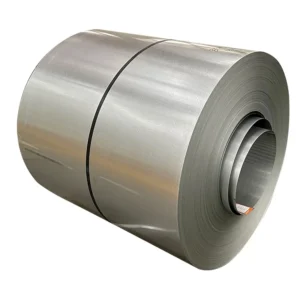
For a roofing or roll-forming project, ask the factory to check the spec line-by-line before comparing the price. Bomis Steel Galvalume coil range from AZ50-AZ150 and common thicknesses of 0.12-2.0mm Price will be confirmed on receipt of the buyer’s brief. Sending the same complete brief to each supplier allows a buyer to compare material, logistics and delivery on a consistent basis and then select an offer that suits the forming line rather than chasing an unexplained low number.
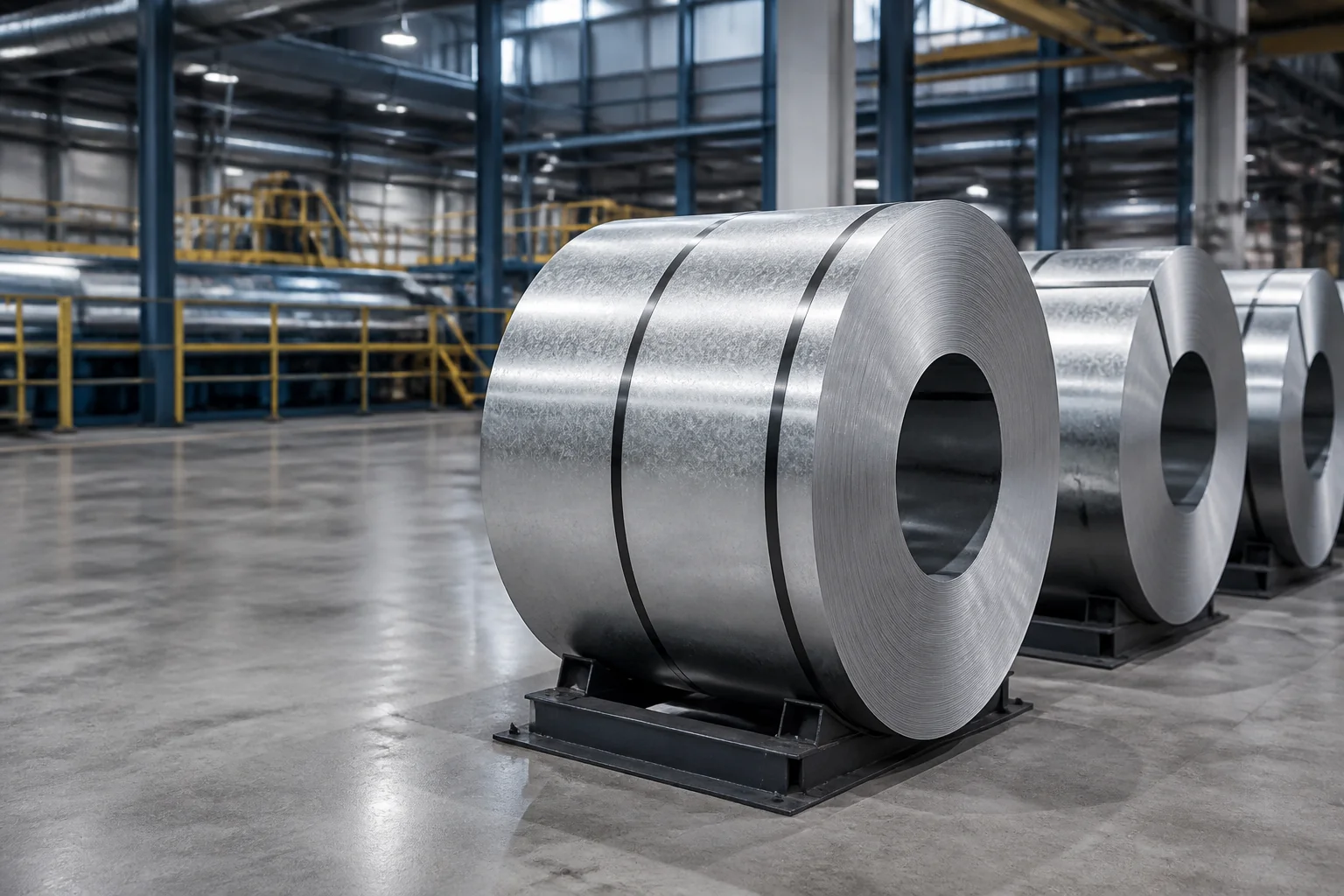
Why do Galvalume coil quotations look different even for the same project?
There’s not one number for “Galvalume coil.” The quote is a bundle of technical and commercial choices. Two suppliers may quote the same nominal width but with different base-metal thicknesses. One may include the weight of the coating in the stated thickness while another may quote the thickness of the base metal. A third may employ a different coil weight, surface treatment or packing method. The totals seem about the same until the material goes into the roll-forming line.
First thing is to get the brief normal. Send 1 spec sheet to each supplier.
PRODUCT NAME:Hot dip
Galvanized Steel Sheet GOVERNING STANDARD:ASTM A653/A653M
GRADE:SS400
THICKNESS:0.8mm
WIDTH:1219mm
AZ COATING CLASS:AZ150
SURFACE FINISH:Regular Spangle
COIL INNER DIAMETER:508mm
ESTIMATED COIL WEIGHT:25MT
TOTAL QUANTITY:50MT
PACKING REQUIREMENT:Each Coil Wrapped with Plastic Film and Bundled with Steel Straps.
DESTINATION PORT:Port of Rotterdam, Netherlands
REQUESTED TRADE TERM:FOB
If the coil is going to be slit then add the slit width and tolerance. Add forming application and restrictions on surface marking if it will be profiled.
This discipline matters because Galvalume is selected for a coating system and a forming job, not simply for a shiny surface. A thin roofing panel, a structural profile and an appliance component may need different substrate grades and forming performance. A quotation that omits the grade cannot be compared fairly with one that names it.
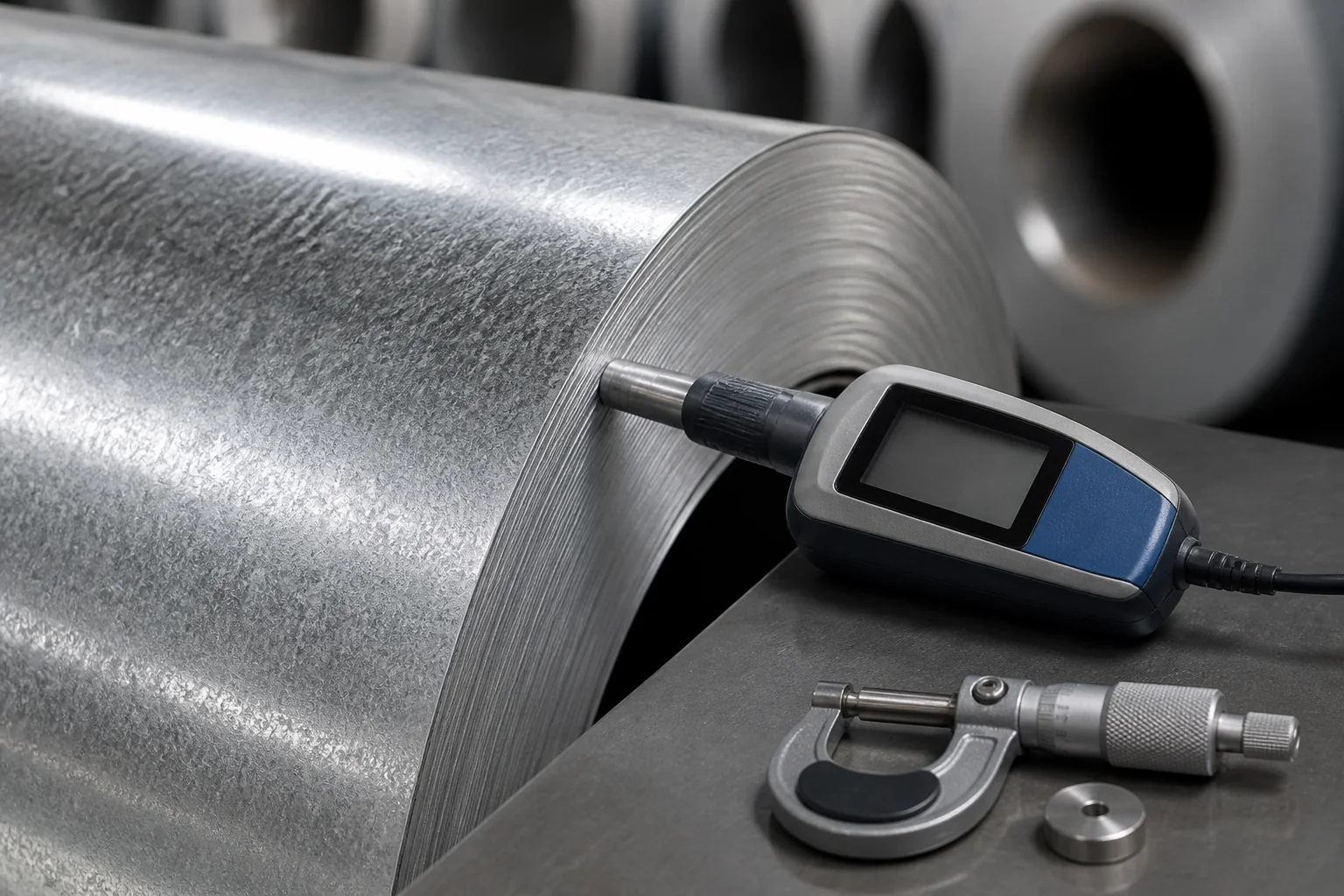
Which technical fields must appear in a Galvalume quotation?
1. Product identity and governing standard
Ask whether the offer is for Galvalume, Aluzinc or another coated steel product. The commercial name alone is not enough. ASTM A792/A792M covers 55% aluminum-zinc alloy-coated steel sheet in coils and cut lengths. EN 10346 covers continuously hot-dip coated steel flat products and uses European designation systems for the relevant product classes. Link the quotation to the standard the buyer actually needs.
For a North American roofing or building project, ASTM A792 may be the natural reference. For a project specified around European cold-forming designations, EN 10346 may be more appropriate. The correct choice depends on the project documents, end use and approval requirements. Do not ask a supplier to “quote both standards” without clarifying whether the substrate grade and coating class must change.
2. Grade and forming requirement
The grade affects how the coil behaves during profiling, bending and fabrication. State the grade in the enquiry and describe the forming operation. A supplier can then check whether the requested material is intended for a simple roof panel, a deeper profile, a structural section or another application.
Avoid replacing grade information with vague language such as “prime quality.” Prime is a commercial description, not a complete technical designation. The buyer should receive the material grade, standard and coating class in the offer so that production and inspection teams can review the same information.
3. Base-metal thickness and width
Write thickness and width as separate fields. For example, “0.50 mm base-metal thickness × 1,250 mm width” is clearer than “0.50 × 1,250” in a message thread. Confirm whether the thickness is measured before coating and whether the supplier’s tolerance follows the referenced standard.
Bomis’s Galvalume category currently presents typical thickness options from 0.12–2.0 mm. That range is a starting point, not a promise that every combination of grade, width and AZ coating is available. The quotation should confirm the exact combination for the buyer’s order.
Width is equally important when the coil goes directly into a roll-forming line. A small change can alter yield, slit plans and material loss. If the buyer needs multiple slit widths, list each width, quantity and tolerance instead of asking for one general “custom width” price.
4. AZ coating class
The AZ coating class is one of the biggest reasons that two prices differ. The enquiry should state the required coating class, such as AZ50 or AZ150, and whether the figure refers to the total coating mass on both sides under the governing standard. Do not compare a quotation that says “AZ coating” with one that states a defined class.
A higher coating class can change price, weight and suitability for the application. The best choice depends on exposure, forming requirements, design life expectations and the project specification. The buyer should ask the supplier to state the coating class in the commercial offer and in the inspection documentation agreed for the order.
5. Surface treatment and appearance
Ask whether the coil is supplied with passivation, oiling, anti-fingerprint treatment or another agreed surface condition. The choice affects storage, handling, painting and the appearance of the finished product. It also affects what the buyer should do after receiving the coil.
For exposed roofing or architectural work, appearance may matter as much as forming performance. State whether the project needs a particular spangle appearance, surface uniformity or protection against handling marks. A surface description such as “regular spangle, suitable for roofing” is more useful than “good surface.”
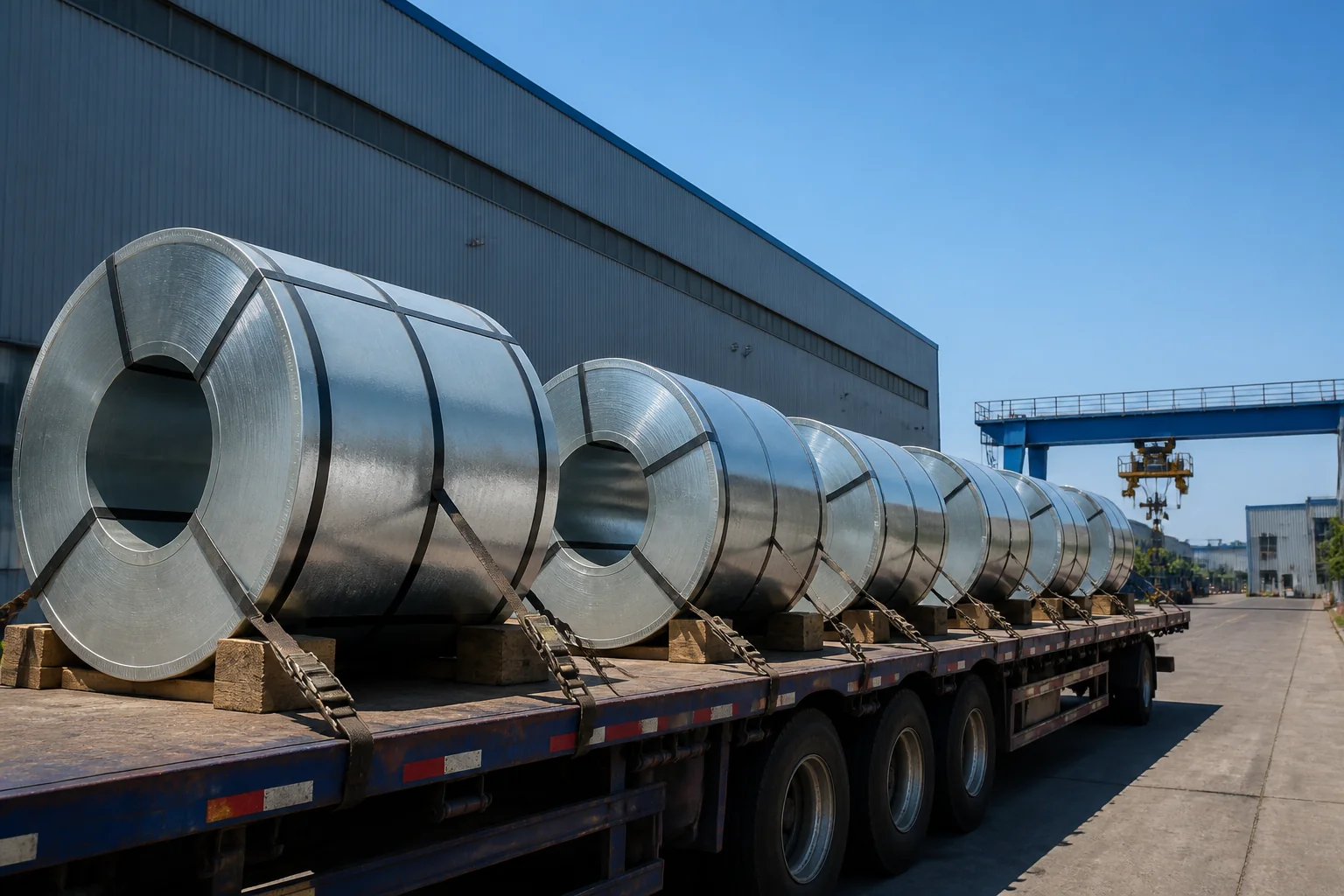
How should buyers compare the commercial part of each offer?
Once the technical fields match, compare commercial fields in the same order. Start with the price basis: EXW, FOB, CFR or another agreed term. Then separate the material price from slitting, testing, packing, inland transport, port charges and other line items. A low EXW figure and a higher FOB figure may not describe the same cost.
Next compare the quantity basis. Ask whether the price applies to one trial coil, a partial container or the full planned quantity. Confirm whether the supplier has a minimum order quantity and how mixed widths or grades affect the offer. If the buyer needs several specifications, request a line-by-line quotation instead of one blended average.
Delivery terms also need a clear date basis. Ask when the production period starts: deposit receipt, approved technical specification, or another milestone. The supplier should state whether the quoted period covers production only or production plus loading preparation. This makes offers easier to compare without treating an unconfirmed delivery promise as a fact.
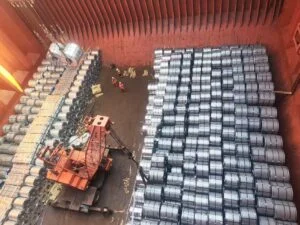
Packing and loading are part of the landed cost. Request the packing method, coil orientation, edge protection, wrapping, strapping and loading arrangement. For an overseas order, add the destination port and ask whether the quoted packing is suitable for the planned transport route. The goal is not to choose the longest packing description; it is to make the cost and risk visible.
What should a buyer send before requesting a Galvalume coil price?
A useful enquiry can fit on one page. Include the following information:
| Field | What to state | Why it matters |
|---|---|---|
| Ürün | Galvalume / Aluzinc steel coil | Avoids confusion with galvanized or pre-painted coil |
| Standart | ASTM A792/A792M or EN 10346, as required | Aligns grade and inspection language |
| Seviye | Required material designation | Connects the coil to the forming or end-use requirement |
| Kalınlık | Base-metal thickness and tolerance | Prevents comparison of different gauges |
| Genişlik | Full width or each slit width | Controls yield and line setup |
| AZ coating | AZ50, AZ150 or project requirement | Makes the coating value comparable |
| Surface | Oiled, passivated, anti-fingerprint or other condition | Sets storage and handling expectations |
| Quantity | Total tonnes, coil count or width split | Establishes the price basis |
| Delivery | Destination port and requested trade term | Separates material cost from logistics |
The buyer should also explain the application. “Roofing panel” is a useful start, but a roll former may need the profile depth, bending direction, visible surface and required slit widths. A distributor may instead need a mixed-width loading plan. The right detail depends on who will process the coil after arrival.
How do ASTM A792 and EN 10346 affect quotation comparison?
ASTM A792/A792M and EN 10346 should be treated as separate specification routes unless the project engineer confirms equivalence for the application. ASTM A792 is a specification for 55% aluminum-zinc alloy-coated steel sheet in coils and cut lengths. EN 10346 addresses continuously hot-dip coated steel flat products and uses European grade designations for cold-forming and related applications.
The practical implication is simple: do not compare only the words “Galvalume” and “Aluzinc.” Compare the actual standard, grade, coating class, thickness tolerance and inspection requirements. If a buyer changes the standard after receiving prices, ask suppliers to re-confirm the grade and coating rather than carrying the old price into a new technical brief.
Bomis has already published an ASTM A653 versus EN 10346 galvanized coil guide. That article focuses on galvanized products, but the same quotation discipline applies to coated steel: standards, grade, coating and tolerance must remain visible in the offer.
What does a factory-direct Galvalume quotation need to prove?
A factory-direct quote should make the production route easier to understand, not merely use the phrase “factory price.” The offer should identify the product family, specification, coating class, quantity basis and delivery term. It should also show what the buyer must confirm before production starts.
The buyer can compare a supplier’s response by asking four practical questions. Does the quotation repeat the complete technical brief? Does it separate the material price from logistics and packing? Does it state the production lead-time basis? Does it give a clear route for resolving a specification question before order confirmation? A supplier that answers these questions clearly reduces the risk of a cheap but unusable offer.
For buyers who are still deciding between coated products, compare the Galvalume steel coil range with galvanizli çelik bobin ve PPGI steel coil. The Galvalume product family should follow the application, coating system and required finish—not the shortest price message.
Which quotation mistakes create the largest cost risk?
The most expensive mistakes usually appear before the order is placed. A buyer may compare different base-metal thicknesses, assume all “AZ” descriptions mean the same coating class, or accept a total price without checking the delivery term. Another common problem is asking for a general Galvalume price before confirming width and quantity. The supplier then has to price an unknown production plan.
A second risk is mixing a coil specification with a sheet specification. Coil width, coil weight and forming line requirements may be lost when the material is later cut or profiled. Put the source coil requirement in the enquiry and state whether the finished product will be slit, roll formed or cut to length.
A third risk is relying on unsupported claims. Ask for the standards and inspection documents that are relevant to the order. Do not add a warranty period, certificate number or test result to the purchase brief unless the supplier has confirmed it for the specific material.
FAQ: Comparing Galvalume steel coil quotations
Is the cheapest quotation the best option?
No. Normalize grade, thickness, width, AZ coating, surface, quantity, packing and delivery term. Compare landed cost only after the technical fields match.
What is the difference between Galvalume and Aluzinc coil?
The names commonly describe aluminum-zinc coated steel coil. Confirm the governing standard, coating class and grade because a trade name alone does not define the order.
Should I request AZ50 or AZ150?
The project specification and exposure determine the suitable class. State the exact coating value and ask the factory to quote that value.
What should I send for a factory quote?
Send the standard, grade, thickness, width, AZ coating, surface condition, quantity, destination port and trade term. Add the end use.
Can Galvalume coil be used for roll forming?
It can suit many roll-forming applications when the grade, thickness, width and surface match the line. Tell the supplier the profile.
How should I compare FOB and EXW offers?
List the costs included in each term, then add packing and freight until both offers use the landed-cost basis.
Where can I request a quotation?
Use the Bomis Galvalume steel coil page and send a complete brief. The factory can review the grade.
Conclusion
A reliable Galvalume quotation comparison starts with one matched technical brief. State the standard, grade, thickness, width, AZ coating, surface, quantity, packing and delivery term before looking at the price. That process separates a genuinely competitive factory offer from a low number built on missing specifications. Buyers can use Bomis Steel’s Galvalume product range as the product reference, then send the confirmed requirements for a direct quotation.