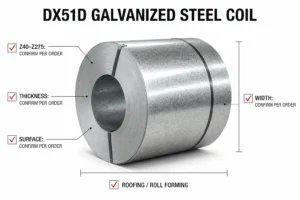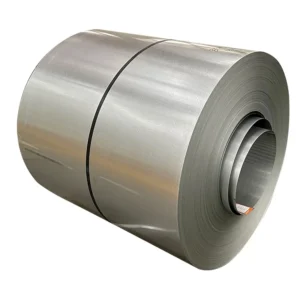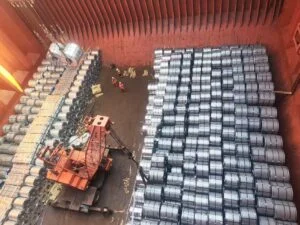

















Intipati AI: Intipati utama daripada tarif keluli 2026 ialah produk keluli rata terlepas daripada beban besar. Dekri 0264 mengenakan duti 35% ke atas keluli panjang tetapi sepenuhnya mengecualikan kategori keluli rata yang sebenarnya menjadi kebergantungan kebanyakan pengimport. Berikut cara peraturan ini berfungsi dalam amalan, apa maksudnya bagi sektor perumahan VIS yang berkembang pesat, dan bagaimana untuk memposisikan rantaian bekalan anda.
Bagaimana Dekri 0264 membentuk semula import keluli Colombia
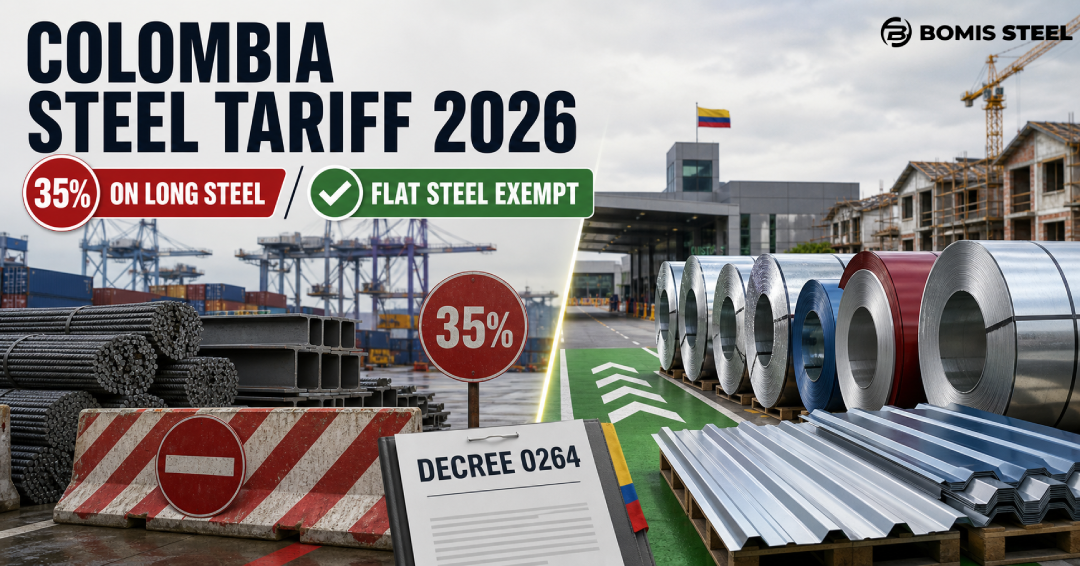
Apabila Kementerian Perdagangan dan Industri (MinCIT) mengeluarkan Dekri 0264 pada pertengahan Julai, tarif import 35% menimbulkan kehebohan. Pada mulanya, pengumuman yang jauh meluas ini menyebabkan gangguan pasaran yang ketara. Walau bagaimanapun, pemeriksaan rapi terhadap kod HS sebenar mendedahkan realiti yang jauh lebih konkrit: tarif ini secara khusus mensasarkan produk panjang, manakala hampir tidak menjejaskan keluli gulung rata.
Kerajaan tahu dengan tepat apa yang dilakukannya. Kilang keluli tempatan seperti Acerías Paz del Río dan Gerdau Diaco boleh dengan mudah memenuhi permintaan dalam negara untuk produk keluli panjang, yang mendorong Kerajaan campur tangan untuk melindungi bahagian pasaran mereka. Pada masa yang sama, Colombia tidak dapat menghasilkan keluli lembaran yang mencukupi secara domestik, itulah sebabnya saluran import ini perlu kekal terbuka. Inilah sebabnya Bab 72 dan 73 menetapkan garis pemisah yang begitu jelas: kod panjang HS 7213, 7214, 7216, 7217 dan lain-lain) terjejas, manakala kategori gelek rata dikecualikan sepenuhnya daripada duti kastam.
Bagi pengimport tempatan, impaknya akan dirasai serta-merta. Sesiapa yang mengimport besi tulangan gulung panas atau rasuk H mesti segera mengira semula kos pendaratan mereka, kerana tolakan 35% akan dengan cepat memakan margin standard. Bagaimanapun, mereka yang berdagang dalam produk rata (seperti gegelung panas atau sejuk HS 7208/7209), GI/GL HS 7210 atau helaian gelombang pra-cat boleh meneruskan perniagaan seperti biasa.
Apa Makna Ledakan Perumahan VIS untuk Flat Steel
Pembentukan undang-undang ini bukan kebetulan. Ia sangat selaras dengan projek perumahan VIS berskala besar (perumahan kepentingan sosial) yang kini dipromosikan oleh Colombia.
Projek Yellowstone di Sabana de Occidente dengan 46,800 unit kediaman adalah salah satu projek pembinaan terbesar di Bogotá kebelakangan ini. Ini diikuti oleh projek Mi Casa Milagro di Ibagué (4,012 unit) dan projek Medellín di Coninsa (1,766 unit), yang terakhir memerlukan penggunaan galvalume 55% Al-Zn yang telah dicat terlebih dahulu. Sekiranya cadangan Avanza Colombia diluluskan pada 27. Jika diluluskan pada bulan Julai, 330,000 unit lagi boleh ditambah. Wilayah pesisiran pantai juga mengalami ledakan pembinaan: permulaan VIS di Bolívar meningkat sebanyak 26.6% tahun ini, membawa kira-kira 4,000 unit ke Atlántico.
Semua projek ini memerlukan bahan yang sama: profil trapezoid, helaian pra-cat RAL piawai dan gegelung galvalume. Yang penting, semua bahan ini dikecualikan sepenuhnya daripada tarif baharu. Kerajaan memberi isyarat bahawa ia tidak akan membenarkan tarif import menghalang bekalan perumahan mampu milik. Ini kini membuka potensi pasaran yang sangat menguntungkan bagi pengimport keluli lembaran.
Kod Bangunan Hijau Mengubah Spesifikasi Keluli
Seiring dengan ledakan perumahan, pemaju hartanah sedang menyesuaikan diri dengan kod bangunan hijau. Cali memperkenalkan Piawaian “Construye Sostenible” pada suku ketiga 2026 dan secara rasmi mengesahkan projek pertama pada bulan Julai. Bogotá dan Barranquilla memantau program ini dengan teliti dan dijangka memperkenalkan peraturan serupa lewat tahun ini.
Perkembangan ini telah mengubah secara mendasar pengadaan keluli oleh pemaju hartanah. Standard hijau memerlukan bukti yang ketat dan boleh diukur untuk ketahanan dan kecekapan tenaga bungkusan bangunan. Oleh kerana 55% Al-Zn galvalume bertahan empat kali lebih lama dalam ujian semburan garam berbanding helaian keluli tergalvani standard dan kemasan ringan bercat mengurangkan suhu bumbung sehingga 12°C, spesifikasi ini tiba-tiba mendapat permintaan tinggi. Dengan menyediakan spesifikasi tepat ini, pelanggan anda di Cali tidak perlu berjuang untuk pensijilan; bahan-bahan ini praktikalnya bersijil sendiri.
Di manakah Bomis Steel sesuai dalam gambaran
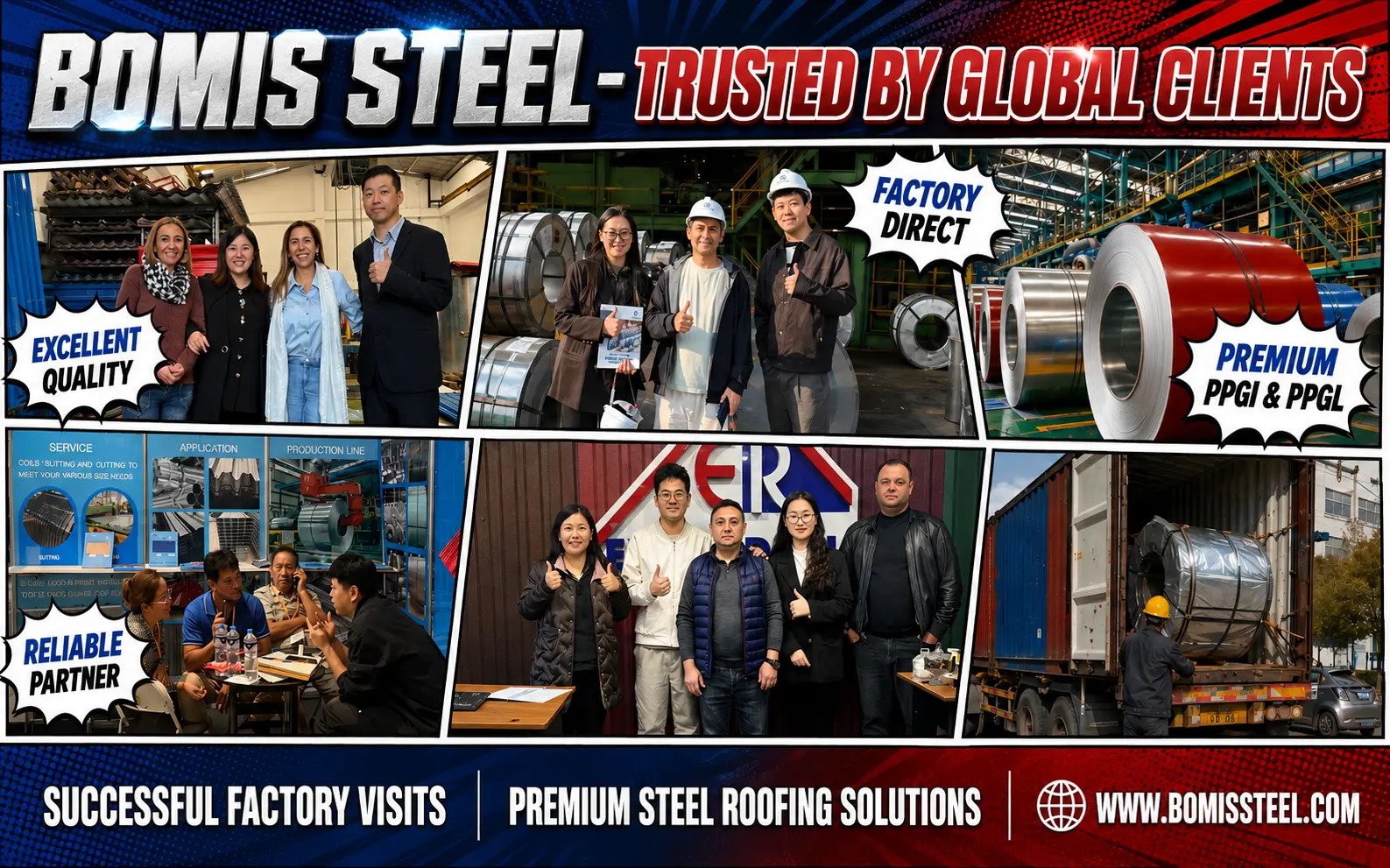
Persekitaran kawal selia inilah sebenarnya sebabnya BomiS Steel terletak dalam kedudukan yang optimum di pasaran Colombia semasa. Kami mengkhusus dalam pengeluaran kategori GI yang digulung rata, PPGI, GL dan helaian bergelombang, yang kini paling banyak diminati. Kod HS kami tidak terjejas oleh tarif baru, jadi anda tidak perlu memindahkan kenaikan harga 35% kepada pelanggan anda. Anda mengelakkan kerjaya pengecualian yang memakan masa dan kelewatan bayaran balik, serta memperoleh kelebihan harga apabila membida projek mega seperti Yellowstone.
Lebih baik lagi: galvalume 55% Al-Zn kami sudah memenuhi metrik pematuhan program Construye Sostenible. Ia dengan mudah lulus penanda aras semburan garam ASTM B-117 dan memberikan penurunan suhu 8–12°C sejurus selepas dibuka. Kami tidak mengenakan bayaran tambahan untuk spesifikasi ini; ini adalah produk standard kami. Syarikat pembinaan di Cali boleh memasukkan helaian spesifikasi kami terus ke dalam dokumen pensijilan mereka.
Oleh kerana kami menjual terus kepada pengimport, anda dapat mengelakkan markup kilang tempatan dan yuran tarif pengeluar tempatan. Sebut harga ini adalah harga akhir termasuk kos penghantaran.
Apa yang perlu dilakukan oleh pengimport sebelum semakan Januari
Expocamacol akan diadakan pada bulan Ogos ini di Medellín — masanya amat sesuai. Semua pelawat ke zon keluli Pabellón Azul sedang mencari pembekal yang boleh dipercayai dan tidak tertakluk kepada tarif 35%.
Expocamacol boleh mempengaruhi trend pembelian keluli untuk baki tahun ini.
- Pertama, pastikan broker kastam anda menyediakan klasifikasi yang mengikat selaras dengan lampiran dekri. Ini akan membantu anda mengelakkan masalah pelepasan dengan kod guna berganda seperti HS 7210.41.
- Seterusnya, sahkan status undang-undang kargo semasa anda. Jangan anggap bahawa kastam akan berjalan lancar.
- Akhirnya, semak inventori semasa anda dengan senarai pengecualian dan segera cari kategori bebas tarif alternatif.
Kerajaan akan mengkaji semula impak Dekri 0264 pada Januari 2027. Walau bagaimanapun, memandangkan skala besar pelaksanaan perumahan VIS, adalah tidak mungkin ia akan mengubah pengecualian bagi rumah keluli terpasang, kerana ini akan menjejaskan projek perumahan mampu milik yang sedang dipromosikannya.
Selagi pengeluaran keluli lembaran domestik kekal rendah, pembekal terkecuali seperti BoMIS Steel menawarkan margin keuntungan terbaik di pasaran. Sesiapa yang ingin memanfaatkan pasaran Colombia sekarang harus mengikuti strategi ini: semak kod HS, tetapkan harga, dan bertindak pantas selagi peluang masih ada.