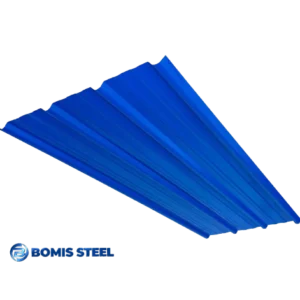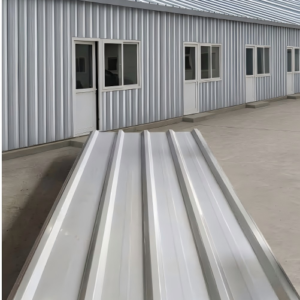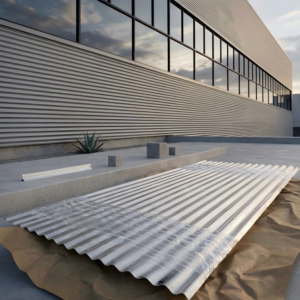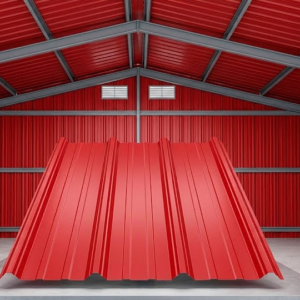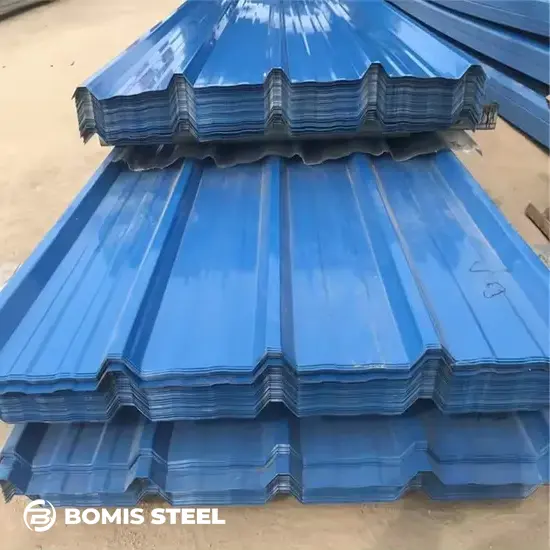
Nsamba ya ebende ya trapezoïde ya mozindo mpo na bopanzani ya monene kati na ba pures, esalemi mpo na makasi mpe kowumela. BOMIS epesaka ba solutions ya nsamba oyo ebongi na makambo ebele mpe ya talo malamu.
1. IBR ya galvanisé: Ebende oyo ezingami na zinc ya kotumba, epesaka libateli ya kotyola oyo etiyelami motema na ntalo ya kokita. Elendisamaka mpo na kosala nsamba ya ba izine, bandako ya bilanga, mpe na misala oyo mosala malamu nde ezali na ntina koleka kitoko. Poso ya zinc epesaka libateli ya kopekisa mpe ya komipesa, mpe ekoumela bambula ebele na kati ya mopepe ya ordinaire.
2. Zincalume IBR: Loposo ya alliage ya zinc na aluminium oyo epesaka libateli ya makasi koleka na ngura soki tokokanisi yango na ba finitions galvanisés ya ordinaire. Aluminium esalaka couche ya oxydes oyo etelemaka ngwi, nzokande zinc epesaka libateli galvanique na bisika oyo bakati mpe na mabulu. Ebongi mingi mpenza mpo na misala ya pembeni ya mbu mpe na bisika ya humidité ya likolo, esika ba loposo galvanisés ya kala ekoki kosenga entretien mbala na mbala.
3. IBR ya langi (PPGI): Ebende ya galvanisé to Zincalume oyo bapakoli langi liboso, na système ya bopakoli ya langi ya polyester ya makasi, polyester ebongisami na silicone (SMP), to PVDF. Ezali na balangi ebele ya momeseno, mpe bakoki kosala langi mosusu oyo ekokani mpenza mpo na bakommande ya ebele. Langi oyo batié na izine elongolaka mposa ya kopenta na esika ya mosala, ekitisaka ntango ya kotonga, mpe epesaka langi moko ndenge moko na nsamba mobimba ya ndako.
| Paramɛtrɛ | Etuluku ya ndelo | Maloba ya kobakisa |
|---|---|---|
| Lolenge ya profil | Mpɛmbɛni ya sanduku oyo ebalukisami | Ebongiseli ya mipanzi ya trapezoïde |
| Bonene ya ezipeli ya solo | Métele motoba na nkama mwambe na ntuku mwambe na motoba | Bonene ya installation sima ya kokabolana |
| Etando ya bonene | 0.40 mm – 0.80 mm | 0.40 / 0.50 / 0.58 / 0.80 mm ya standard |
| Ndelo ya bolai | Mɛtɛlɛ 1,5 – 14,0 | Bopai mosusu ezali soki bosengi |
| Toléérance ya bolai | -0 / +5 mm | Bobele ya standard |
| Angle ya nse ya nsamba | 5° (pene na 1:12) | Esengeli mpo na kobimisa mayi malamu. |
| Loposo ya zinc (Galvanisé) | Mokama na ntuku motoba kino nkama mibale na ntuku ntuku sambo na mitano | Bomati ya ba couches mpo na bisika ya libongo mpe ya ba usine |
| Système ya langi (PPGI) | PE / SMP / PVDF | Primer na couche ya likolo ya 15-25 μm na ngambo na ngambo. |
1. Boyokani ya likolo kati na makasi mpe bozito: Profil ya nsinga ya trapezoïdal epesaka makasi ya likolo na ndenge etongami, kozanga kilo ya ebele ya biloko. Yango epesaka nzela ya kosala biteni ya milayi kati na ba purlins — mbala mingi ekitisaka motango ya biteni ya kosimba na 15 kino 25% soki tokokanisi na ba profils ya ba ondes ya momeseno — yango elakisi ete mosolo ya misala ya nse ekitaka mpo na projet mobimba.
2. Kotanga mai malamu: Ba canaux ya mozindo ya ba nervures esalisaka mayi etanga noki, yango esalaka ete IBR ebonga mpo na misala ya ba toits ya pente ya moke kino na degré 5. Ezaleli oyo ezali na ntina mingi na bituka oyo mbula enokaka makasi, esika esengeli kokitisa mayi oyo etɛlɛmi likolo ya toit mpo na kopekisa mayi ekɔta na kati mpe kobeba noki ya couche ya likolo.
3. Bopete ya botiyi: Na bonene ya solo ya 686 mm na lokasa moko mpe bolai kino na mɛtrɛ 14, ba tɔlɔ ya IBR ekitisaka motango ya ba lokasa mpe ya ba chevauchement ya nsuka oyo esengeli. Kosangisa moke elakisi kotonga noki, kokitisa mosolo ya mosala, mpe moke ya bisika ya kotanga na likolo ya nsamba mobimba.
4. Kosangisa biloko ndenge na ndenge na lolenge ya kitoko: Modɛlɛ ya mikɔlɔtɔ ya semba mpe ya pɛto ekendeke malamu na ba plan ya botongi ya mikolo oyo mpe na kitoko ya kala ya ba izine. Ezali kozwama na langi ya ebende pamba mpo na misala ya kosalela mpamba, to na balangi oyo batiaka yango na izine mpo na misala epai wapi komonana kitoko ezali na ntina.
5. Bobateli ya ntango molai oyo emonani: Esalemi na nzinga ya ebende oyo batyá na galvanisé ya moto to Zincalume, kolanda mibeko ya mokili mobimba (ASTM A653, EN 10346, AS 1397), ba tôle ya BOMIS IBR esalemi mpo ewumela mbula 20 kino koleka soki etiami mpe ebatelami malamu na bisika oyo ebongi.
6. Ekoki ko recycler yango mobimba: Nsamba ya ebende ekoki ko recycler 100% na suka ya bomoi na yango kozanga kobungisa bizaleli ya biloko, mpe esungaka ba certifications ya botongi ya kobatela environnema mpe mikano ya bokoli ya kolongobana mpo na misala oyo etalelaka kobatela environnema.
BOMIS elendisi malako oyo ya mosala ya bato ya mayele mpo na kozwa mosala ya malamu koleka mpe ya ntango molai uta na bapanzu ya nsamba ya IBR:
Mbɛmbɛ ya nsamba: Esengeli kotia pente ya minimum ya ba degrés 5 mpo na kosalisa mayi etanga malamu. Mpo na misala oyo pente na yango ezali moke mpenza (na nse ya ba degrés 7), esengeli kobakisa bomesana mosusu ya kokanga bisika ya bokutani ya baplake mpo na kopekisa mayi ekota na nzela ya moke na bisika oyo baplake ekutanaka na mipanzi.
Boponi ya biloko ya kokangisa: Ba vis ya komibɔkɔlɔ ya acier galvanisé to ya acier inoxydable, elongo na ba rondelles ya EPDM ya kokanga mayi, nde tolakisaka mingi. Esengeli kotiya bikangiseli na nzela ya motó ya mopanzi — kasi ata moke te na nzela ya libulu (esika ya nse) — mpo na kobatela makoki ya nsamba ya kobwaka mai. Mpo na bisika ya pembeni ya mbu to oyo ezali na nguba makasi, tolendisi mpenza bikangiseli ya ebende oyo engɛngaka te.
Esika ya kobakisa mpo na komata na molunge Ntalo ya ebende eyanganaka mpe ekangaka na kolanda mbongwana ya molunge. Esengeli te kokanga biloko ya kokangisa makasi koleka; washer ya EPDM esengeli kofinama kasi te kobebisama na lolenge na yango. Mpo na biteni ya molayi oyo eleki mɛtrɛ 30, esengeli kokanisa kotia bisika ya kopema to mpe ba systèmes ya clips oyo etambolaka.
Position ya kokanga na mipanzi: Esengeli kotanda ba nsamba na lolenge ete esika oyo ekokabolana etala epai mopɛpɛ ezali koya mingi, mpo na kokitisa ndenge mbula ekoki kokɔta na mopɛpɛ. Lolenge ya malamu oyo balandaka ezali ete esika ya kokabolana ezala ata ribɛ moko mobimba.
Kokatisa Soki esengeli kokata na esika ya mosala, eleki malamu kosalela cisaille ya kura to ba coupe-tige, na esika ya kosalela ba disque ya kokata oyo epesaka moto mpe ekoki kobebisa couche ya zinc mpe langi na bapembeni ya esika bakati. Bapembeni nyonso bakati esengeli kobongisa na langi oyo ezali na zinc mingi to na système ya kobongisa oyo fabricant andimi.
Likoki ya kotambola na makolo: Soki esengeli bato baleka na esika ya mosala na ntango ya botongi to ya bobongisi, basali basengeli kaka batambola likolo ya biteni ya pan oyo ezali mpenza na nse ya bisimbeli ya purlin mpe balata basapato ya semelle ya pɛtɛɛ mpo na kobatela couche ya langi ete ebebana te.
Bapla ya nsamba ya IBR esalemi mpo na kosenga entretien mingi te mpe mpo ewumela. Botalisi ya mbala na mbala elendisamaka mpo na komona mpe kobongisa biloko ya kokangisa oyo efungwami, bosɔtɔ oyo eyangani na ba gouttières, mpe mbeba nyonso ya moke na langi ya likolo. Mpo na biloko ya galvanisé na bisika ya mabe, kobongisa yango na kopakola langi lisusu sima ya pene na mibu 5 kino 7 na système ya langi oyo ebongi mpo na nsamba ya ebende ekoki mpenza kobakisa bomoi na yango. Zincalume mpe biloko oyo babakoli langi na izine mbala mingi esɛngaka te kobongisama mbala na mbala.
A: Mbala mingi, ba spécifications ya standard esɛngaka commande ya minimum (MOQ) ya tone 5 kino 10 ya métrique mpo na lolenge moko na moko ya bonene na bokasi. Mpo na bolai oyo esalami na komande to mpo na ba spécifications ya coating oyo ezali ya standard te, bakoki kosɛnga commande ya monene koleka mpo na makambo etali kobongisa usine. BOMIS elendisi bino bóbenga ekipi na biso ya boteki mpo na kopesa bango ba spécifications ya projet na bino, na ntina ete bózwa devis oyo ebongisami mpo na bino mpe ekotalela motango oyo bozali na yango mposa.
A: Iyo. BOMIS epesaka biteni ya bolai oyo ekatami na komande kati na 1,5 m kino 14 m, yango epesaka nzela ya kobongisa malamu mosala mpo na projet moko moko, mpe ekitisaka kokata na esika ya mosala mpe kobebisa biloko. Bokeseni ya bolai, ya -0/+5 mm, ebatelamaka mpo na biteni nyonso oyo ekatami na komande na kati ya bolai ya standard.
A: IBR ezali na profil ya mokuwa ya trapezoïde oyo ezali mozindo koleka baprofiles ya mikanda ya corrugué ya sinusoïde ya kala. Forme oyo epesaka makoki ya kokata esika ya monene koleka na soki 30-40%, yango epesaka nzela na kotia bopanzani ya monene kati na bapurlin mpe kosalela bisimbeli ya structure moke. Bonene ya esika oyo ezipaka (686 mm) mpe bolai ya mipanzi na yango ekeseni mpe na ba profils ya tôle ondulée, yango wana, kolandisa yango mbala moko na esika ya mosusu kozanga kotala lisusu ndenge ndako etelemisi, elendisami te.
A: Mpo na ba installations ya pembeni ya mbu (na kati ya 1-5 km ya mai ya mungwa), tolendisi makasi kosalela Zincalume to biloko oyo bapakoli langi ya PVDF. Eloko ya aluminium oyo ezali na kati ya couche ya alliage ya Zincalume epesaka bokangami ya makasi koleka na ngura oyo eutaka na chlorure, soki tokokanisi yango na ba couches ya zinc galvanisé ya ordinaire. Mpo na bisika oyo mopepe ya mbu ezalaka makasi mpenza, esengeli kolakisa bobɛmi ya couche ya Z275 to oyo ekokani na yango.
A: Baplake ya IBR ya qualité standard na ba spécifications oyo emonanaka mingi ezalaka disponible na kati ya pɔsɔ 2 kino 4 nsima ya confirmation ya commande. Ba revêtements ya langi oyo esalemi na commande, ba épaisseurs oyo ezali standard te, to mpe bamposa ya emballage ya spécial ekoki kosala ete tango ya kozela elamba kino pɔsɔ 6 kino 8. Pona ba contrats ya volume monene, BOMIS apesaka toli ya kosolola na équipe na biso ya achat na eteni ya planification ya projet pona kozwa esika na production.
A: Liboke ya kotinda biloko na mikili ya mosika esalemaka na biteni ebele ya kobatela: film moko ya kati ya VCI (corrosion inhibitor) oyo epekisaka ngura, biteni ya katikati ya kopɛmisa biloko, mpe elamba ya libanda ya makasi oyo ekangaka mopɛpɛ mpe mbula, na babateli ya bibende na bampɛmbɛni. Bapapye ekangamaka na ba palettes ya mabaya to na ba cadres ya ebende. Ba emballages personnalisées — lokola kotia bapapye moko moko na kati ya mosusu mpe kobakisa biloko ya kokaukisa (desiccant) — ezali mpo na botindi ya mosika na nzela ya mai na bisika oyo ezalaka na humidité mingi.