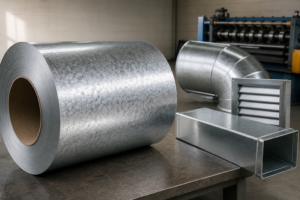

















When sourcing construction materials, finding trustworthy regular spangle galvanized steel suppliers can make or break your project. Whether you’re building agricultural facilities, installing HVAC systems, or fabricating structural components, the quality of your steel directly impacts your final product’s durability and performance.
This comprehensive guide walks you through everything you need to know about identifying reliable suppliers, verifying quality, and making informed sourcing decisions for regular spangle galvanized steel.
What is Regular Spangle Galvanized Steel?
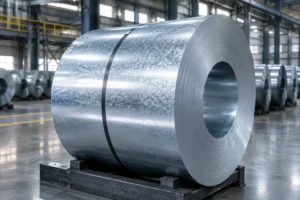
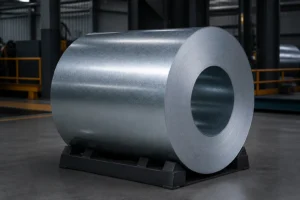
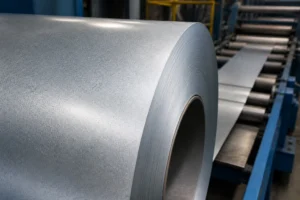
Regular spangle galvanized steel is hot-dip galvanized steel characterized by its distinctive zinc crystal pattern visible on the surface. This spangle forms during the molten zinc bath cooling process, creating the familiar crystalline appearance that ranges from 1-3mm in crystal size.
The “regular spangle” designation specifically refers to the standard zinc coating pattern achieved under normal manufacturing conditions. This differs from minimized spangle (smaller, less visible crystals) or zero spangle (virtually no visible pattern) variants.
Key characteristics of regular spangle include:
- Typical zinc coating: Z90 to Z275 (G30 to G90)
- Spangle size: 1-3mm crystalline pattern
- Surface appearance: Bright, metallic finish with visible crystals
- Formability: Excellent for most applications
- Corrosion resistance: Superior to uncoated steel
Common applications for regular spangle galvanized steel include:
- Roofing and wall panels for agricultural buildings
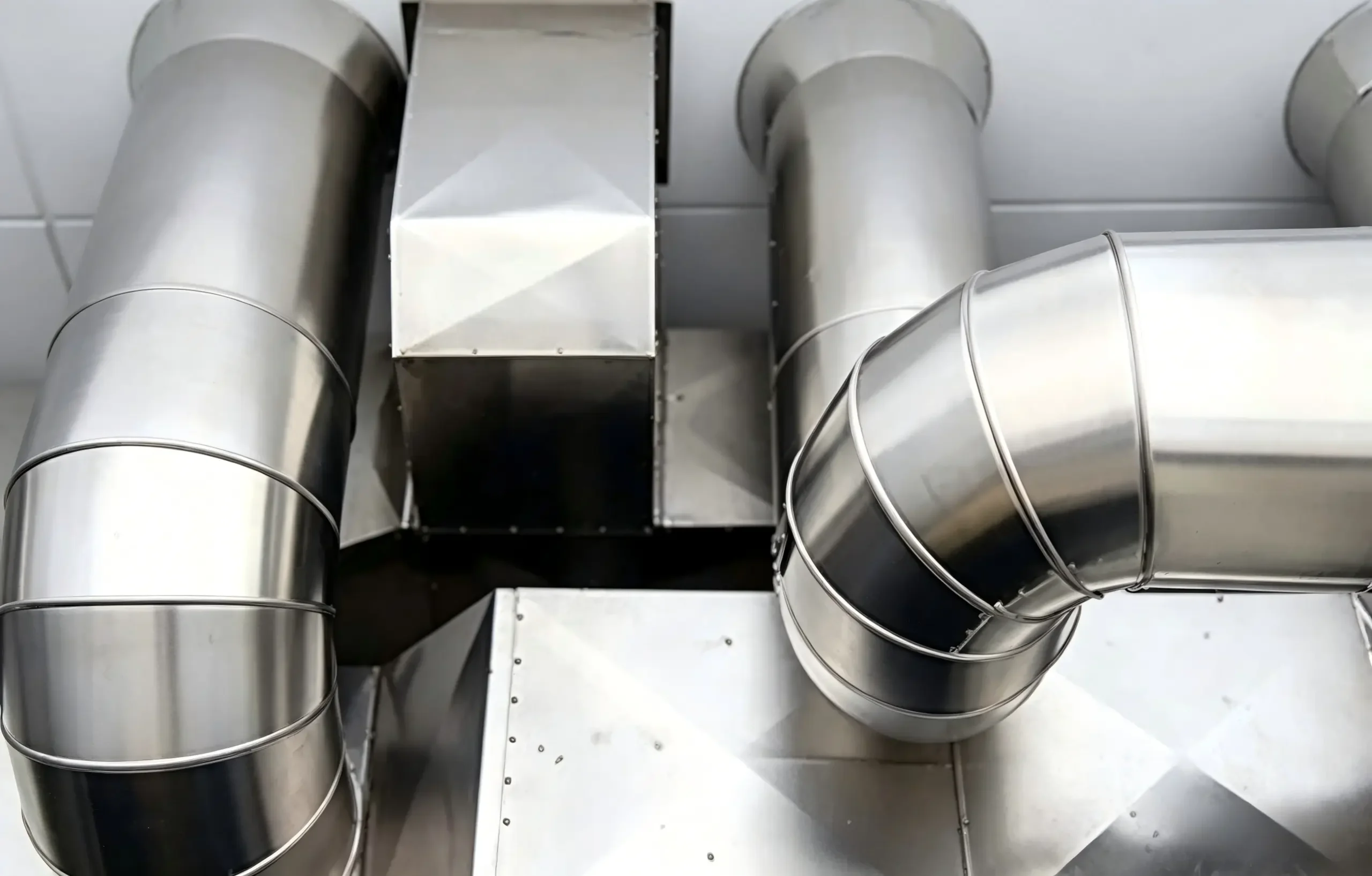
- HVAC ductwork and equipment enclosures
- Industrial storage containers
- Automotive structural components
- Construction framing and structural members
For specific product options, explore our regular spangle galvanized steel collection featuring various grades and specifications.
Where is Regular Spangle Galvanized Steel Used?
Understanding the primary applications helps you communicate effectively with suppliers and ensure you’re getting the right product for your needs.
Agricultural Buildings and Roofing
Regular spangle galvanized steel is the material of choice for agricultural structures due to its excellent corrosion resistance and cost-effectiveness. Barns, silos, and farm equipment storage facilities commonly use this material for roofing and wall panels. The zinc coating provides long-lasting protection against harsh environmental conditions, while the regular spangle appearance is often preferred for traditional aesthetics.
HVAC Systems
Heating, ventilation, and air conditioning systems rely heavily on galvanized steel for ductwork, enclosures, and equipment housing. The galvanized steel coils for HVAC applications require consistent coating weight and excellent surface quality to ensure proper air flow and longevity. Regular spangle galvanized steel provides the durability these systems demand.
Construction Industry
In construction, regular spangle galvanized steel serves structural and architectural purposes. From structural beams and purlins to decorative elements, this material offers versatility and strength. Galvanized steel panels for walls are particularly popular in pre-engineered metal buildings and industrial facilities.
Corrugated and Profiled Sheeting
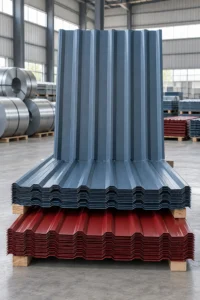
The corrugated profile format maximizes strength while minimizing material usage. Our corrugated galvanized steel sheet products demonstrate how regular spangle galvanized steel transforms into versatile building materials suitable for roofing, fencing, and wall applications.

7 Questions to Ask Before Choosing a Supplier
Verifying supplier trustworthiness requires asking the right questions. Here’s what experienced procurement professionals recommend:
1. What Are Your ASTM/JIS/EN Certifications?
Legitimate manufacturers hold relevant certifications. For galvanized steel, look for:
- ASTM A653 – Standard specification for steel sheet, zinc-coated (galvanized) or zinc-iron alloy-coated (galvannealed)
- JIS G 3302 – Japanese industrial standard for hot-dip zinc-coated steel
- EN 10346 – European standard for continuously hot-dip coated steel
Request copies of certificates and verify them directly with certifying bodies when possible.
2. Can You Provide Mill Test Certificates (MTC)?
Mill Test Certificates confirm the steel’s chemical composition, mechanical properties, and coating specifications. A quality supplier should provide MTC with every order, including:
- Heat number and batch identification
- Chemical composition (carbon, manganese, phosphorus, sulfur)
- Yield strength and tensile properties
- Zinc coating weight verification
- Surface finish specifications
For high-stakes projects, examine our DX51D Z200 galvanized steel coil specifications as an example of detailed product documentation.
3. What’s Your Zinc Coating Weight?
Zinc coating determines corrosion resistance. Common options include:
| Coating Class | Zinc Weight | Application |
|---|---|---|
| G30 (Z90) | 90 g/m² | Light protection, interior applications |
| G60 (Z180) | 180 g/m² | Standard roofing, general exterior |
| G90 (Z275) | 275 g/m² | Heavy-duty, coastal environments |
For G60 / G90 specifications, ensure your supplier offers the appropriate class for your application.
4. Do You Offer Third-Party Inspection?
Reputable suppliers welcome third-party inspection through established agencies:
- SGS (Société Générale de Surveillance)
- Bureau Veritas
- Intertek
- TÜV
This service, though adding cost, provides independent verification of quality and specifications.
5. What’s Your Production Capacity and Lead Time?
Understanding a supplier’s capabilities prevents production delays:
- Monthly/annual production capacity
- Current order backlog
- Available inventory
- Shipping and logistics capabilities
6. Can I Visit Your Factory?
Legitimate manufacturers with genuine operations typically welcome facility visits. Red flags include:
- Reluctance to share factory location
- Generic “trading company” explanations
- Stock photos instead of actual facility images
7. What Are Your Payment Terms and Warranty?
Clear commercial terms prevent misunderstandings:
- Payment methods and terms (L/C, T/T, etc.)
- Minimum order quantities
- Delivery timelines
- Quality dispute resolution processes
Key Specifications You Must Know
Understanding steel specifications ensures you receive the correct product.
Steel Grades Explained
DX Series (EN Standards):
- DX51D – Structural grade with minimum 250 MPa yield strength
- DX52D – Drawing quality with improved formability
- DX53D – Deep drawing applications
SGCC (JIS/ASTM):
- SGCC – Basic commercial quality
- SGC340 – Structural with 340 MPa minimum yield
- SGC570 – Structural with 570 MPa minimum yield
Our 3mm galvanised sheet demonstrates thickness variations available for different structural requirements.
Surface Treatments
Understanding surface finishes helps match products to applications:
Chromate Passivation:
- Cr3+ (trivalent chromium) – Environmentally preferred
- Cr6+ (hexavalent chromium) – Being phased out due to regulations
Surface Conditions:
- Oiled – Default protection during transport
- Unoiled – For painting applications
- Phosphated – Enhanced paint adhesion
Why Factory Direct Sourcing Matters
Sourcing directly from manufacturers offers significant advantages over trading company intermediaries.
Cost Benefits
Factory direct procurement typically saves 15-25% compared to trading company pricing. These savings come from eliminating middleman margins and accessing wholesale pricing structures designed for direct relationships.
Quality Control
Direct communication with manufacturers enables:
- Custom specifications for your exact requirements
- First-hand quality monitoring during production
- Faster resolution of any production issues
- Factory visit opportunities for verification
Lead Time Advantages
Manufacturers generally offer shorter lead times for direct customers:
- Standard orders: 15-25 days (vs. 30-45 through trading)
- Container-ready inventory sometimes available
- Rush order flexibility for urgent needs
Technical Support
Factory technical teams understand their products deeply, providing:
- Material selection guidance
- Specification optimization
- Application technical support
- On-site troubleshooting assistance
Explore our comprehensive galvanized steel coil category for direct factory pricing and specifications.
How to Verify Regular Spangle Galvanized Steel Quality
Upon delivery, implement a systematic verification process.
Visual Inspection Checklist
- Spangle Pattern: Consistent crystalline pattern across the surface
- Coating Uniformity: No bare spots, dross inclusions, or black spots
- Surface Condition: No rust, scratches exceeding tolerance, or dents
- Edges: Properly trimmed, no excessive zinc buildup
- Dimensions: Verify thickness, width, and length match specifications
Documentation Verification
Match delivery documents to your original order:
- Mill Test Certificate heat numbers
- Coil identification markings
- Quantity and dimension records
- Coating weight certificates
Testing Methods
When quality verification is critical, consider these approaches:
Coating Weight Test (Magnetic Method):
Using a magnetic thickness gauge provides non-destructive coating measurement. Compare readings against specified minimums.
Dimensional Verification:
Calibrate measuring tools and verify:
- Base metal thickness (using ultrasonic gauge)
- Overall coating thickness
- Width tolerances (±3mm typical)
- Flatness requirements
Sample Testing:
For critical applications, send samples to independent testing laboratories for complete chemical and mechanical analysis.
As an alternative material consideration, our regular spangle galvalume iron coil offers aluminum-zinc alloy coating for enhanced corrosion resistance in certain applications.
Your Trusted Partner for Regular Spangle Galvanized Steel
BOMIS STEEL combines manufacturing excellence with customer-focused service:
- 20+ years of steel production expertise
- Full certification including ASTM A653, JIS G3302, EN 10346
- SGS verified quality assurance
- Global export experience serving 50+ countries
- Custom specifications available for unique requirements
- Direct factory pricing without middleman markups
Ready to Discuss Your Project?
Our technical sales team provides:
- Free specification consultation
- Competitive pricing for bulk orders
- Sample provision for verification
- Complete documentation package
- Shipping coordination to worldwide destinations
Contact us today for a detailed quotation tailored to your specific requirements.
Related: Supplier vetting is step one — incoming inspection is step two. See our complete guide to common quality problems in galvanized steel coils for a practical checklist you can use during receiving to catch defects before they reach your customers.
Summary: Key Takeaways
- Regular spangle galvanized steel offers excellent corrosion resistance with visible zinc crystals
- Verify certifications (ASTM, JIS, EN) and request Mill Test Certificates
- Match specifications to your application: grade, coating weight, surface treatment
- Factory direct sourcing provides cost savings and better quality control
- Implement inspection protocols upon delivery to verify quality
- Build supplier relationships based on trust, not just price
Finding trustworthy regular spangle galvanized steel suppliers requires diligence, but the reward is consistent quality, competitive pricing, and reliable supply chains for your projects.
Ready to source? Explore our complete galvanized steel product range or contact our team for customized solutions.
For enhanced coating options, explore our Anti Fingerprint Stainless Steel featuring advanced nano-coating for superior fingerprint resistance. identifying reliable steel suppliers.