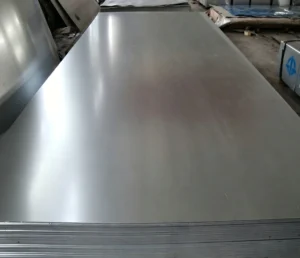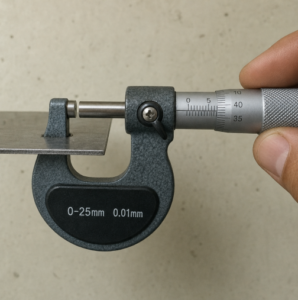

















Galvanized steel coils are zinc-coated steel rolls used to manufacture roofing, wall panels, ductwork, vehicle components, appliances, and agricultural equipment. Compared with plain, uncoated steel coils, their main advantage is corrosion protection—not automatically greater strength. Understanding the coating, base steel, and service environment helps you choose material that suits both fabrication and long-term use.
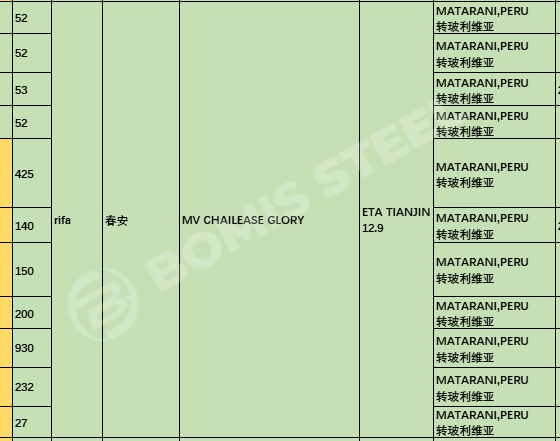
Next week (December 9), our export team is scheduled to load 2,313 metric tons of steel coils across 11 consolidated lots onto the M/V Chailease Glory at Tianjin Port, bound for Matarani, Peru, before continuing overland into Bolivia. Anyone familiar with ocean freight knows what happens if you ship bare, plain carbon steel across the Pacific and through humid coastal ports without heavy rust-preventive oiling—it arrives covered in red oxidation. That real-world vulnerability is precisely why galvanized steel coils dominate long-haul export orders.
Below, we break down the most common industrial and construction applications for galvanized steel coils, and explain the core differences between galvanized coils and plain steel coils.
What makes galvanized steel coils different from plain steel coils?
Galvanized steel coils have a protective zinc coating over a steel substrate; plain steel coils lack that deliberately applied zinc layer. The zinc provides a barrier against corrosive exposure and sacrificial protection, meaning it corrodes preferentially to help protect the underlying steel. This makes galvanizing a corrosion-control choice rather than a separate category of structural strength.
In continuous hot-dip galvanizing, steel strip passes through molten zinc before being cooled and recoiled. Manufacturers then slit, stamp, roll-form, or cut that material into finished components. Galvanized steel sheets are typically the flat, cut-to-length form of this coated material, rather than a fundamentally different metal.
Here, “plain steel” means uncoated carbon steel, which may be supplied hot-rolled or cold-rolled. Those terms describe processing, while “galvanized” describes a coating: cold-rolled and galvanized are not necessarily competing categories. Specify the substrate and coating separately rather than relying on a broad product label.
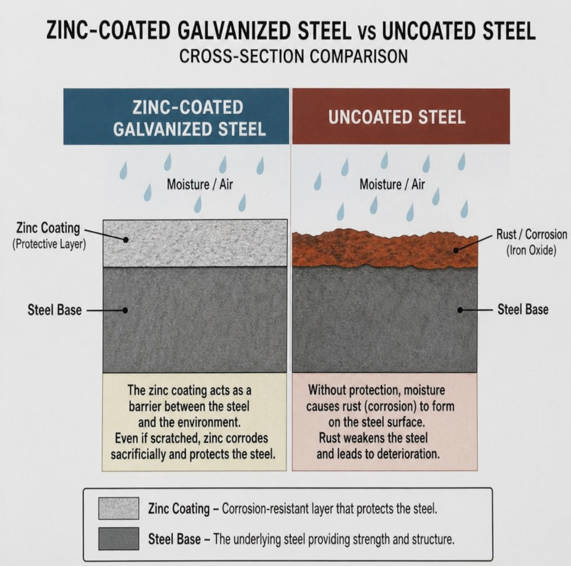
Galvanized and plain steel coils compared
The useful comparison is between materials suitable for the same component. A coating cannot compensate for an unsuitable steel grade, and an attractive surface does not establish mechanical performance. Review these differences alongside the part drawing and exposure requirements.
| Selection factor | Bobine d'acier galvanisé | Plain steel coil |
|---|---|---|
| Corrosion protection | Zinc provides barrier and sacrificial protection | No zinc-based protection unless added later |
| Force | Determined principally by the specified base steel | Determined principally by the specified steel grade |
| Surface | Zinc-coated; appearance varies with finish | Depends on rolling and subsequent processing |
| Painting | Requires compatible preparation and coating system | Requires preparation suited to the supplied surface |
| Fabrication | Coating condition matters during forming and joining | No zinc layer to accommodate during fabrication |
These distinctions reflect separate decisions about steel properties, surface condition, and corrosion protection. Compare matching grades and dimensions before drawing conclusions about performance.
For purchasing, compare the complete production route rather than assuming either option is always cheaper. Include material, preparation, finishing, inspection, and anticipated maintenance in your evaluation. Request comparable quotations rather than comparing coil prices alone.
Common galvanized steel coils applications
Common galvanized steel coils applications include products that need sheet-metal formability together with improved corrosion resistance. Construction, HVAC, automotive manufacturing, appliances, and agriculture all use coated sheet, but their requirements differ. The examples below show where the coating helps and what still needs specification.
Roofing, siding, and building components
Coils can be roll-formed into roofing and wall panels or processed into flashing and other building components. The continuous supply format suits repeated profiles, while the zinc coating provides corrosion protection. Painted galvanized material adds a finish system whose preparation and compatibility also matter.
Do not assume every galvanized product suits every exterior location. Unpainted continuous sheet is generally appropriate for interior or mildly corrosive exposure; more demanding conditions require a carefully selected coating or additional protection. Specify the actual environment rather than simply writing “outdoor use.”
HVAC ductwork and equipment housings
Ductwork, air-conditioning equipment, and heating-equipment components are established uses for galvanized sheet. These products need material that can be formed into panels, channels, and enclosures while offering corrosion resistance. However, a specification suitable for ordinary ductwork should not automatically be extended to every component within an HVAC system.
Automotive panels and transportation parts
Galvanized sheet is used for vehicle body panels and structural components where manufacturers need corrosion protection alongside specified forming and mechanical properties. Material selection must therefore address both the coating and the steel beneath it. Different parts may require different strength levels, surface quality, and forming capability.
Galvanized, galvannealed, and electrogalvanized products should not be treated as interchangeable. Their coating processes and characteristics differ, so confirm the exact material required by the approved component specification. (zinc.org)
Appliances and agricultural equipment
Galvanized steel products include laundry-appliance components, refrigerator and freezer parts, farm equipment, and grain-bin sheet. For visible appliance panels, surface quality and paint preparation can be especially important. Agricultural applications likewise require a coating specification matched to the equipment and its exposure, not merely a galvanized label.
Fabrication details that affect performance
Galvanized coil is coated before final fabrication, unlike batch galvanizing, where an already fabricated item is dipped. Cutting, punching, and joining can therefore create areas that need attention after manufacture. This distinction matters when assessing whether a finished component has the protection its service conditions require.
Cut edges and holes: Nearby zinc can provide sacrificial protection to small exposed areas, but that protection is not unlimited. Review exposed edges and damaged coating, and specify suitable touch-up where required rather than assuming every cut remains fully protected.
Forming: Suitable galvanized grades can accommodate bending and demanding drawing operations. Successful forming depends on the substrate, tooling, lubrication, and coating adhesion. Validate the intended material on representative parts when the shape or finish is critical.
Welding and painting: Galvanized steel is weldable and paintable, but those processes must suit the coated material. Establish an appropriate joining procedure and compatible surface preparation before production. Do not assume an existing process for bare steel will transfer unchanged.
How should you choose between galvanized and plain steel coils?
Choose galvanized coil when zinc-based corrosion protection fits the component’s exposure and manufacturing route. Consider plain coil when the application does not need that coating or when protection will be applied after fabrication. Neither option is universally better; the appropriate choice combines mechanical requirements, exposure, finishing, and cost.
Use this decision sequence:
- Define the environment. Record whether exposure is sheltered, weather-exposed, persistently damp, or otherwise corrosive.
- Establish mechanical requirements. Specify the necessary grade and forming capability independently of corrosion protection.
- Map fabrication. Identify cuts, holes, welds, and demanding bends that could influence coating performance.
- Choose the protection system. Assess whether unpainted galvanized material, painted galvanized material, or another finishing route suits the application.
- Compare complete quotations. Include processing and finishing requirements so suppliers are pricing equivalent material and services.
This sequence keeps the coating decision tied to the actual part rather than to appearance or a familiar stock description.
What to specify when contacting steel coil suppliers
Give steel coil suppliers a written material requirement rather than requesting only “galvanized coil.” ASTM A653/A653M covers continuously hot-dip galvanized and galvannealed sheet, but the order still needs the relevant grade, coating designation, dimensions, and finish. A standard designation alone is not a complete purchase specification.
Include these details in your quotation request:
- Base steel grade: Required mechanical properties and forming suitability.
- Dimensions: Thickness, width, tolerances, and any slit-coil or cut-to-length requirements.
- Coating designation: State the required zinc coating rather than asking for “heavy galvanizing.”
- Surface requirements: Appearance expectations, oiling, passivation, and intended painting process.
- Processing and handling: Coil-size constraints, packaging, and fabrication information needed to review suitability.
Confirm the coating designation’s measurement basis. For example, G90 refers to a specified minimum coating weight of 0.90 ounces per square foot, total across both sides—not that amount on each side. A coating designation describes the coating, not the steel’s strength grade.
Storage and handling remain important
Galvanized material still needs protection during shipping and storage. Moisture trapped between coil wraps or stacked sheets can produce wet storage stain, often called white rust. Passivation can reduce the tendency to stain, but it does not make wet storage harmless.
Keep coils dry, prevent water intrusion, and manage condensation when cold material enters warmer, humid conditions. Inspect deliveries and address wet packaging or trapped moisture promptly using supplier guidance. Good storage preserves the coating and surface condition you specified, helping ensure the material reaches fabrication ready for its intended use.