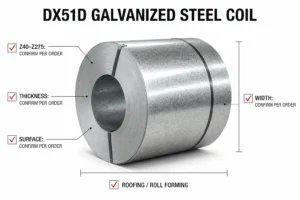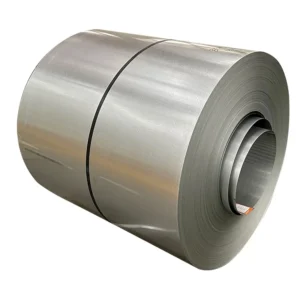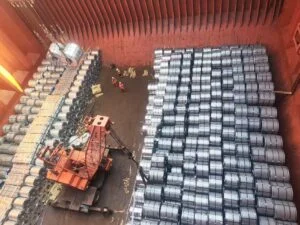

















Conclusión sobre la IA: Put simply, galvanized steel frames are steel frames with a layer of zinc on their surface. This zinc layer serves both as a barrier and as a sacrificial layer: If the surface is scratched, the zinc rusts first, leaving the steel intact. Hot-dip galvanizing coating is 35–275 microns thick and lasts 50 years under ideal environments. Electro-galvanizing is only 5–15 microns thick, smooth, and aesthetically pleasing, but is suitable only for indoor use. Don’t cut corners—choose hot-dip galvanizing for outdoor environments, coastal environments, or humid environments. The lifespan of a galvanized frame is 20–100 years, with virtually no daily maintenance required. When considering the 30-year total cost, these frames are therefore more cost-effective than ordinary steel, wood, or aluminum frames. For acceptance, standards such as ASTM A123 and ISO 1461 must be verified, and coating test reports must be requested from the supplier. They can be found everywhere: factories, roofing, guardrails, modular buildings, and much more.
Why are galvanized products more expensive than ordinary steel?
During my years working in steel trading, I’ve heard this question often. Customers bring in quotes for ordinary steel materials, compare prices, and find that galvanized steel is significantly more expensive. Instead of jumping to a quick rebuttal, I first ask: How long are the goods exposed to the elements from the time of loading onto the ship until installation?
Many projects don’t use damaged materials; they wait until they break. The goods are exposed to rain in the port for three months, and rust forms within two or three months. Coastal projects are even worse; once the salt mist has subsided, rust spots appear on the surface within six months. It’s only after the structure has been assembled that you realize the rust has already taken hold, which doubles the time and cost required for derusting, painting, and subsequent reworking.
The extra cost of galvanized steel frames lies in the long-term savings. Since the zinc layer protects the steel from the outside and prevents rust, the project’s life is measured not in years, but in decades.
This article explains four aspects of galvanized steel frames: their definition, the choice between hot-dip galvanizing and electro-galvanizing, their lifespan, and the industries in which they are used. The information is based on practical experience gained from taking delivery, inspecting goods, and shipping the products and is not intended as a textbook.
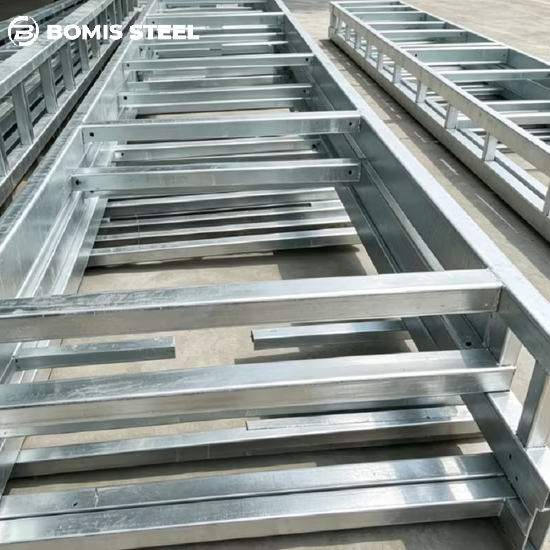
What is a galvanized steel frame? How does it differ from an ordinary steel frame?
A galvanized steel frame is a steel frame coated with a layer of zinc. The process may involve hot-dip, electroplating, or alloy coating, but the principle remains the same: zinc is exposed to corrosion, not the steel.
The zinc layer serves two functions: First, physical isolation—water vapor, salt mist, and chemical substances cannot reach the steel. Second, the sacrificial anode effect: A surface zinc layer flakes off, leaving the steel. The zinc rusts first, while the steel remains intact. The zinc essentially acts as a sacrificial piece so that the steel remains completely undamaged. This protection method cannot be achieved with paint: if the paint cracks, the zinc layer remains intact as a sacrificial piece, and the steel remains undamaged.
Even with the same steel, the absence of a layer of zinc can shorten its lifespan by several decades. Ordinary steel frames are used unprotected on construction sites, where they get surface rust after just a few months. Galvanized frames, on the other hand, reliably serve their purpose for decades under the same conditions.
I was asked whether ordinary steel frames are still usable at all. The answer is: only if they are repainted every two to three years, the welds rust first, and reinforcement is required every five years for coastal projects. The high price of galvanized frames essentially reflects the benefit of maintenance-free use.
Variants must also be taken into account: Galvalume (aluminum-zinc alloy, heat resistance), zinc-aluminum-magnesium (magnesium for corrosion resistance), and galvalume aluminum-zinc alloy ranges from pure zinc to alloy. The more you experiment, the finer the details become, but the basic principle remains the same: steel on the inside, zinc on the outside.
Hot-dip galvanizing or electro-galvanizing? Coating thickness and standards are explained in an easy-to-understand way.
Choosing the wrong galvanizing method is a waste of money. For the mainstream processes, it’s important to first understand the parameters before the underlying logic is explained.
Hot-dip galvanizing: The workpiece is immersed in a molten zinc bath, causing the zinc and steel surface to bond in an alloy layer. The coating thickness ranges from 35 to 275 microns. What does “thick” mean? Seaside guardrails, transmission towers, container bases—all these applications use this process. How thick is the zinc layer, how long does it last, and how does it directly affect the lifespan?
Electro-galvanizing: Zinc is deposited by the electrolytic method; the coating is only 5–15 microns thick. The surface is smooth, even, and shiny, giving it an attractive appearance. However, the protection is less effective—this coating thickness won’t even last a few years in salt mist environments. Therefore, it is not suitable for large outdoor structures.
How do you choose the right process? In short: For outdoor, coastal, and humid environments, hot-dip galvanizing is sufficient; no consultation is needed here. For indoor use, appearance-focused, and light load applications, electro-galvanizing is sufficient and cost-effective.
The coating weight (g/m²) is a hard indicator: hot-dip 60–1,000, electro 3–50, galvalume 60–250, and zinc-aluminum-magnesium 60–450. A higher value indicates greater durability. Do not rely solely on the seller’s claim that the product is galvanized; always ask to see coating test reports during discussions.
We generally recognize the following standards:
- ASTM A123: US general requirements for hot-dip galvanized products
- ASTM A153: Galvanizing of hardware
- ISO 1461: Hot-Dip Galvanized Coatings
- BS EN ISO 14713: Protección contra la corrosión of Steel Structures
- JIS H 8641: Japanese hot-dip galvanizing standard
When placing an order, we include these standards in the contract and request coating thickness test reports. A supplier who can provide this report is trustworthy with regard to the galvanized coating.
How long do galvanized steel frames last? Please provide us with this calculation.
Please first provide the figures: The lifespan of galvanized steel frames ranges from 20 to 100 years. Hot-dip galvanizing lasts over 50 years under ideal environments. In coastal, high salt mist, and heavy industrial areas, the lifespan is shorter but still spans decades, whereas the lifespan of ordinary steel decreases significantly in these environments.
How low is the maintenance cost? Zero maintenance. Painting or derusting is not necessary; the only requirement is an annual inspection for deep scratches. In comparison, wood frames require moisture and rot protection. Ordinary steel frames require repainting every few years, while galvanized frames require no maintenance whatsoever.
30-year total cost account: Galvanized steel frame has initial cost, low maintenance and replacement costs, and the lowest total cost. While ordinary steel is inexpensive to purchase, maintenance and replacement account for the majority of the costs. Wood has the lowest initial cost, but replacement costs are extremely high. Aluminum is expensive from the start. A large portion of the initial cost is attributable to the coating, while subsequent savings are achieved through reduced maintenance crew hours and downtime losses.
Compared to wood frames, wood rots, is infested by insects, and warps. In high-humidity or termite zones, wooden structures are therefore generally unsuitable. Steel does not burn, does not rot, and does not attract insects, which gives it a significant advantage in terms of fire protection. Although galvanized steel is heavier than aluminum, its strength is slightly higher, making it more suitable for large-span structures and also higher in price.
To be honest, the initial cost of galvanized steel is higher than that of ordinary steel. It is heavier than aluminum, which increases lifting costs. On-site cutting and welding damage the coating, so the cut edges must be treated with zinc-rich paint. Humid environments lead to white rust, which affects the surface but does not compromise strength. Welding produces zinc fumes, so proper ventilation and protection must be ensured.
Which industries use galvanized steel frames? Please select your project.
Roofing and Walls: Galvanized steel frames are the standard for roofing and walls in warehouses, schools, and gymnasium roofs. The coating is exposed to rain and UV over long periods and withstands these conditions. Roofs often require no rework for 20 years.
Structural frames: light steel skeletons for apartments, office buildings, museums, and sports venues. The load-bearing is sufficient, and we are confident in their wind resistance and earthquake resistance—modular container houses can withstand level 10 winds and magnitude 7 earthquakes thanks to their galvanized skeleton.
Guardrails: highway guardrails, security fences, park fences, and school fences. Ordinary steel guardrails in coastal areas rust and wear out within three to five years, while galvanized guardrails last a decade. Municipal projects opt for them to minimize rework.
Modular and temporary buildings: construction site offices, emergency shelters, exhibition booths, mobile classrooms, temporary housing. Such structures require repeated disassembly and reassembly, as well as frequent relocation. The zinc layer is constantly subjected to stress but remains stable even with repeated disassembly and reassembly. For rental customers, reuse rate is a key factor in profit margin.
Environmental protection also plays a role: Steel is one of the most recycled building materials worldwide, with a recycling rate of 93%. The galvanized layer does not interfere with recycling. This is a plus for projects with green certification and sustainable path.
Productos relacionados
- Chapa galvanizada de 2 mm — heavy-gauge hot-dip galvanized steel sheet for structural framing and industrial applications
- Zero Spangle GI Sheet — smooth, uniform galvanized steel sheet with a matte finish for exposed frame work
- Acero S350GD+Z275 HDG — structural-grade hot-dip galvanized coil with 275 g/m² zinc coating
- Láminas de techo de Galvalume — aluminum-zinc alloy coated steel for enhanced corrosion protection in roofing and cladding
Preguntas frecuentes
Q: Can galvanized steel frames be painted?
A: Yes. After thoroughly cleaning the surface, first apply a galvanized-specific primer and then apply a topcoat to ensure stable adhesion.
Q: How long does the galvanized coating last?
A: 20–100 years, depending on the coating thickness and environment. In coastal areas, the lifespan is shorter than inland, although hot-dip galvanizing lasts significantly longer.
Q: Is it safe for indoor use?
A: Yes, it is safe. It does not emit any harmful substances and is used in schools and office buildings.
Q: Does it require any special maintenance?
A: In principle, no special maintenance is required. Check it occasionally for deep scratches and wipe it down if it gets dirty.
Q: Is it recyclable?
A: Yes. The steel recycling rate is 93%, and the galvanized layer does not affect this.
Q: Is it fireproof?
A: Steel does not burn, and the zinc layer does not contribute to combustion.
Q: What happens if it is cut and welded on site?
A: Cut edges and weld points damage the coating. Apply zinc-rich paint immediately and do not leave the steel bare.
Q: In what types of buildings is it used?
A: Factories, warehouses, schools, guardrails, modular houses—everywhere.
Calculating Total Costs: How to Choose the Right Material and Avoid Mistakes
Is a galvanized steel frame worth it? The answer is simple: Consider the environment and the expected lifespan. For indoor dry conditions, electro-galvanizing is sufficient and cost-effective. For outdoor, coastal, and humid environments, hot-dip galvanizing is recommended. The high costs stem from the coating, not the steel itself—the initial additional expense pays for itself later through lower maintenance costs.
Keep three points in mind before placing an order: Specify the standard in the contract, request coating test reports, and use zinc-rich paint for on-site cutting. Choosing the right materials is half the battle.