
First, let’s introduce the steel coil. The steel coil is a long strip of steel. To facilitate better transportation and storage, the long strip of steel is wound into a cylindrical shape. There are many types of steel, and due to different manufacturing methods, they have their own advantages and disadvantages. For example, hot-rolled steel coils are produced at high temperatures and do not have a coating, so their surface is relatively rough and the strength is also lower. Cold-rolled steel coils are further processed based on hot-rolled steel coils, so the strength and dimensional accuracy of cold-rolled steel coils are much higher than those of hot-rolled steel coils.
Factors may also come from the varying temperature. When the steel is overheated, it expands and contracts, which in turn can induce internal stresses and deformation. Conversely, the steel becomes brittle at very cold temperatures and this increases the likelihood that it will break in handling or after being subjected to further processing.
Storage Methods
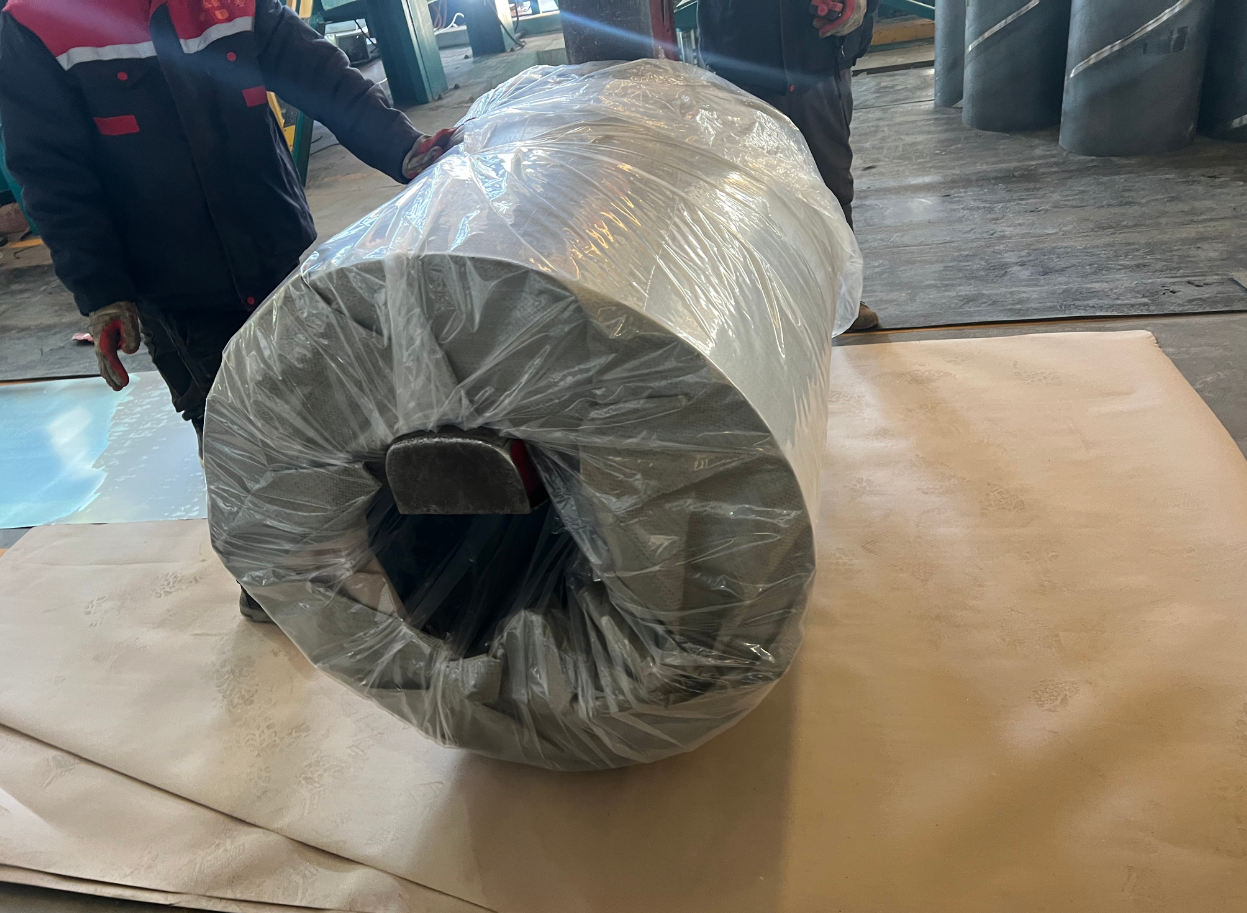
It is imperative for the steel coils to be properly stored to ensure their quality. Badly stacked coils can be physically damaged; you’ll have dents or things like scratches. These defects on the surface are potential starting points of the rust formation process and may also interfere in subsequent manufacturing stages. Steel coils should ideally exist on flat and stable surfaces, and spacers should ideally also be used, to prevent direct contact of neighboring coils. Protective materials like a tarpaulin or special storage racks will prevent these coils from getting caught in environmental elements. The coils are to be kept dry and in a well ventilated indoor place for long-term storage to reduce the effects of moisture and temperature fluctuations.
Coating and Treatment
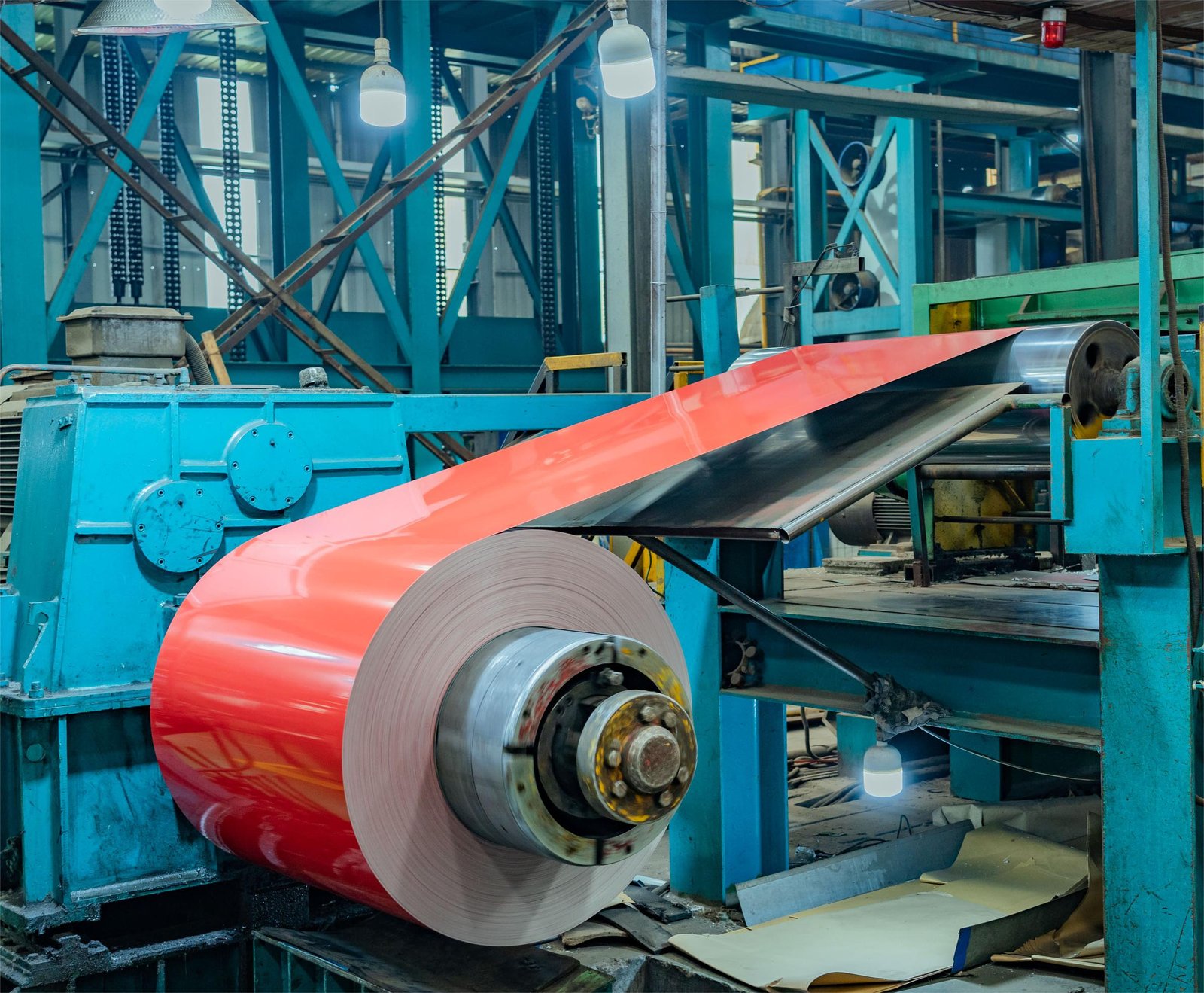
Coated steel coils are developed for higher corrosion resistance and as well for higher operating properties. It is generally thought that zinc (galvanized steel) has excellent protection against rust, and many organic coatings offer additional benefits such as improved paint adhesion and overall aesthetic attractiveness. Whether to use them also will make or break for a good deal of time the stability of steel coils. Applied well and with good quality, a coating will last many years for steel, while a thin coat or one application may only provide some protection.
Signs of Aging in Steel Coils
The aging of steel coils cannot be prevented. The only way is to find ways to extend their service life. Even with the most meticulous protection measures, steel coils will still age over time. The most obvious feature is the occurrence of rust. It starts with small rust spots and then progresses to large areas of rust. Therefore, aged steel must be replaced in time. Rusting is just one aspect; its strength will also decrease, which means the steel will become fragile.
The Importance of Regular Inspection
Steel aging is an inevitable phenomenon because steel is not an inert material. However, some methods can be adopted to extend the service life of steel. For instance, regular inspections of steel coils should be conducted to check if the steel has rusted or been damaged. If mechanical means can be used for detection, it can better slow down the aging process of steel. Because using mechanical equipment can more accurately examine the strength and ductility of the steel, and timely remedial measures can be taken.