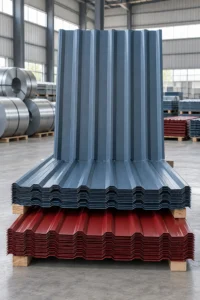

















Understanding Steel Coils: Hot-Rolled vs. Cold-Rolled
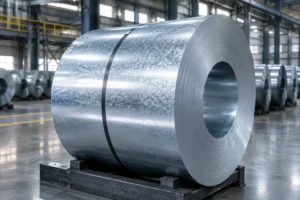
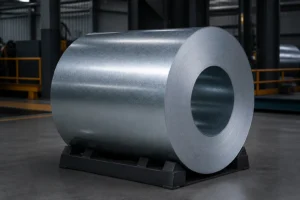
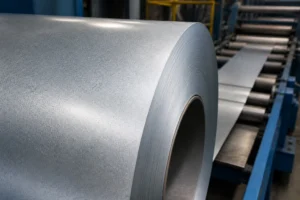
A steel coil is essentially a long, continuous strip of steel that has been wound into a cylindrical shape to facilitate highly efficient transportation and storage. Because there are many types of steel produced via different manufacturing methods, each category carries distinct physical advantages and limitations.
For example, hot-rolled steel coils are produced at extreme temperatures and generally lack a protective coating. As a result, their surface is relatively rough, and their overall structural strength is lower. In contrast, cold-rolled steel coils undergo further processing after the initial hot-rolling phase. This additional processing significantly increases the strength, surface finish, and dimensional accuracy of the cold-rolled coils compared to their hot-rolled counterparts.
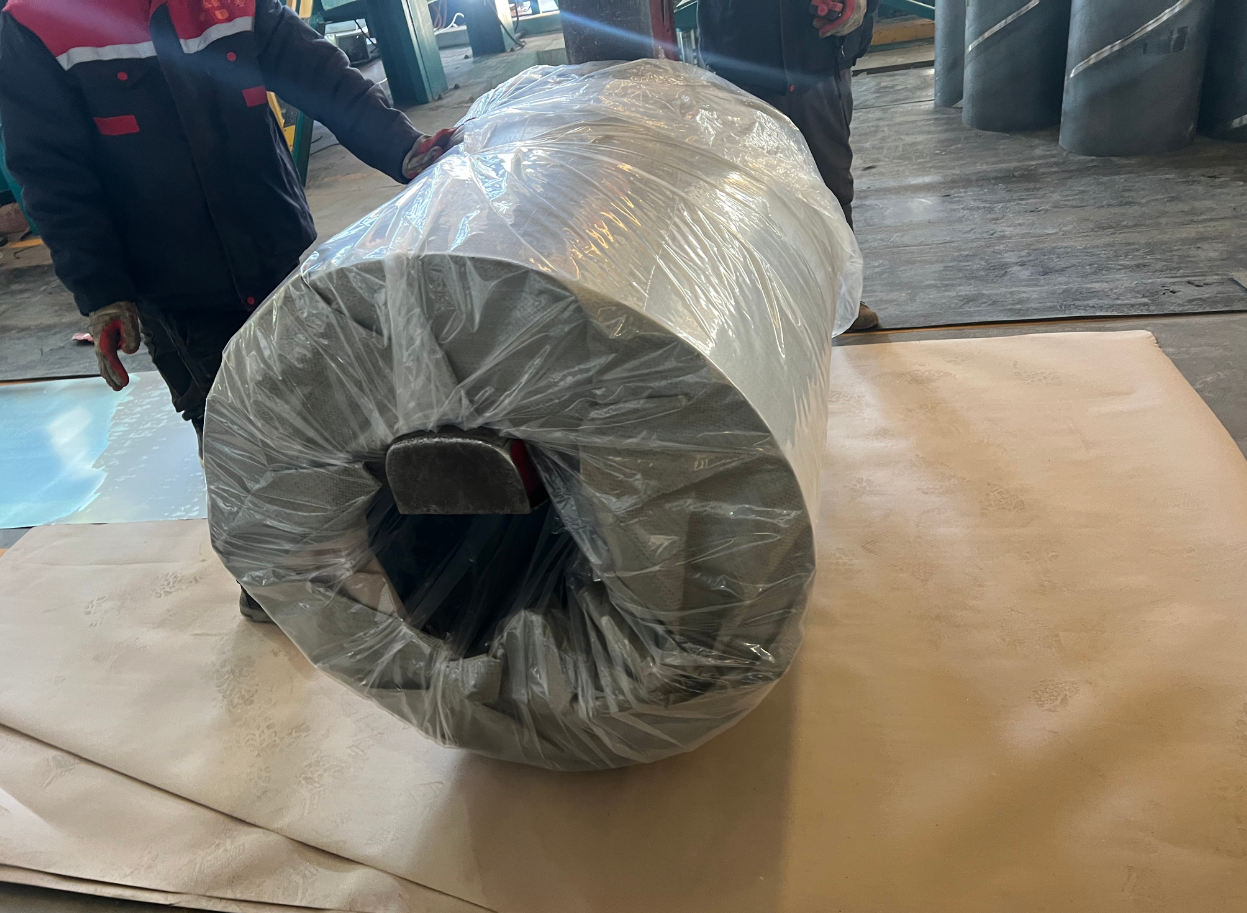
Environmental Impacts: Temperature and Weather
The structural integrity of steel is highly susceptible to temperature variations. When steel is exposed to excessive heat, it expands and contracts, which can induce internal stresses and permanent deformation. Conversely, exposure to freezing temperatures causes the steel to become brittle, drastically increasing the likelihood of fractures or breakage during handling and subsequent processing.
Proper Storage and Handling Methods
Proper storage is absolutely imperative to maintain the quality of steel coils. Improperly stacked coils are prone to physical damage, such as deep dents or surface scratches. These physical defects act as the primary starting points for rust formation and can severely interfere with downstream manufacturing stages.
Steel coils should always rest on flat, stable surfaces, utilizing heavy-duty spacers to prevent direct contact between neighboring coils. Protective materials, such as waterproof tarpaulins or specialized storage racks, shield the coils from environmental elements. For long-term storage, coils must be kept in a dry, well-ventilated indoor facility to mitigate the effects of moisture and temperature fluctuations.
| Risk Factor | Potential Damage / Consequence | Preventative Best Practice |
|---|---|---|
| Extreme Heat | Expansion, internal stress, and deformation. | Store in climate-controlled or heavily shaded areas. |
| Extreme Cold | Increased brittleness and risk of fracture. | Handle with care; bring to ambient temperature before processing. |
| Improper Stacking | Dents, scratches, and compromised coatings. | Use flat surfaces and protective physical spacers between coils. |
| Moisture Exposure | Rapid oxidation, localized rust spots, and degradation. | Store indoors with proper ventilation and use waterproof tarps. |
Coating and Surface Treatments
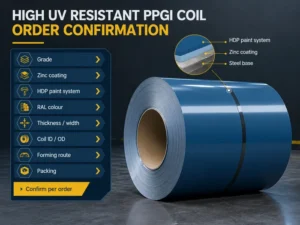
Coated steel coils are engineered for superior corrosion resistance and enhanced operational longevity. A zinc coating (galvanized steel) provides excellent baseline protection against rust. Furthermore, applying organic coatings offers additional benefits, such as improved paint adhesion and high aesthetic appeal. The quality and application of these treatments dictate the lifespan of the coil; a high-quality, professionally applied coating will protect the steel for decades, whereas a thin or poor application offers only a temporary defense.
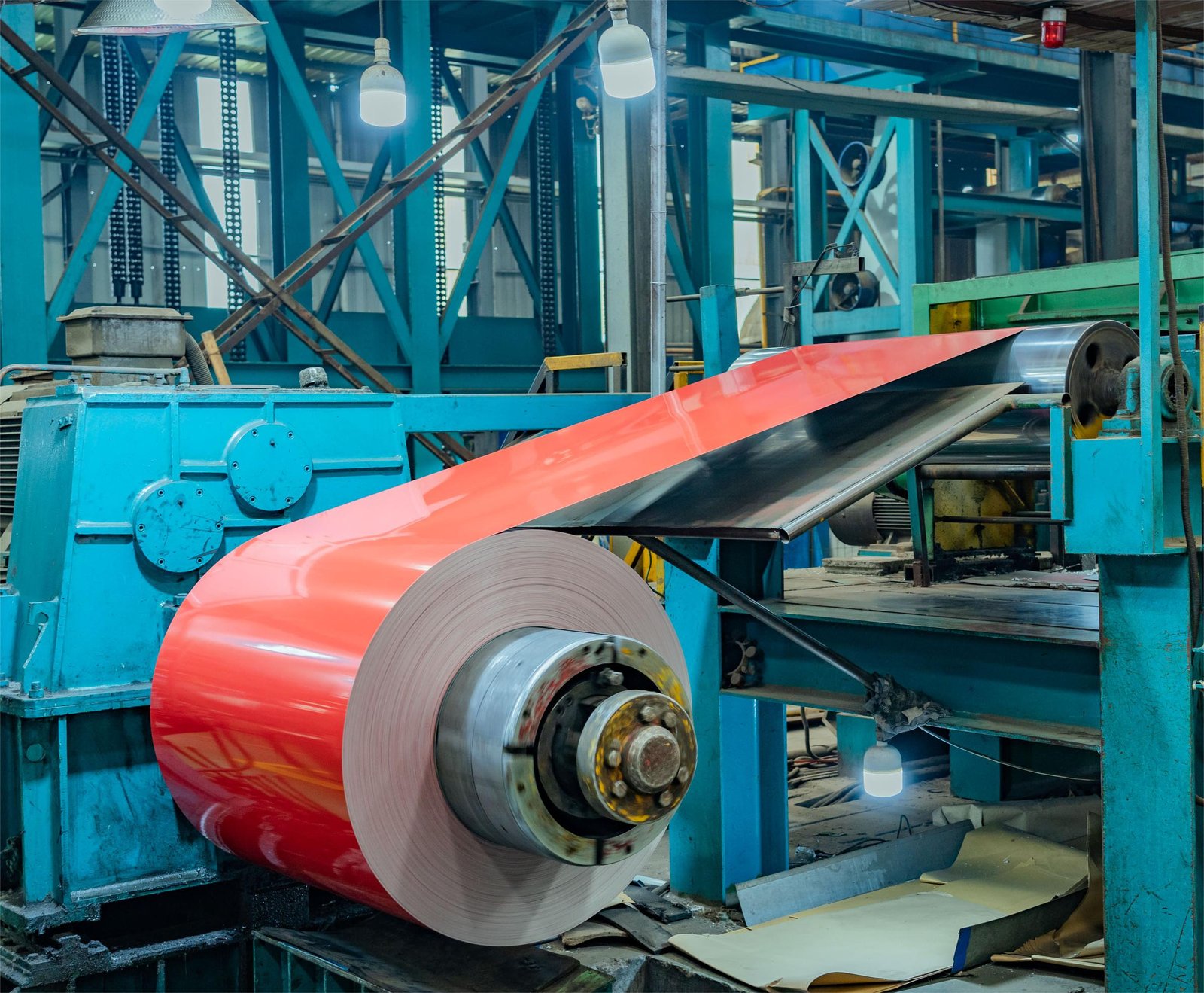
The Lifecycle of Steel: Aging and Maintenance
Signs of Aging in Steel Coils
Because steel is not an inert material, aging is an inevitable physical process. Even with the most meticulous protection measures, steel coils will eventually age over time. The most obvious indicator is the onset of rust, which typically begins as isolated spots and rapidly progresses into large, compromised areas if left unchecked. Aging is not purely cosmetic; structural strength also decreases over time, leaving the steel fragile. Consequently, heavily aged or degraded steel must be identified and replaced promptly to avoid manufacturing failures.
The Importance of Regular Inspection
While aging cannot be completely halted, proactive methods can significantly extend the service life of your steel coils. Regular visual inspections must be conducted to check for early signs of rust or handling damage. To truly slow down the aging and degradation process, incorporate mechanical testing equipment into your inspection routine. Mechanical detection accurately measures the current strength, yield, and ductility of the steel, allowing you to take timely, data-driven remedial measures before the material is fed into a production line.