















Price per ton is only one consideration when you are purchasing steel coils. There are many other considerations, whether your project is a one-and-done commercial project or involves sourcing materials for multiple sites.
What Types of Steel Coils Are Used in Construction?
Construction projects typically draw from a handful of core steel coil categories, each serving a distinct role in the building envelope and structural system:
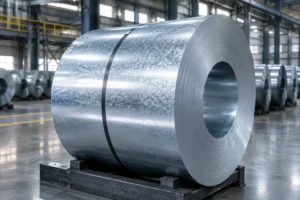
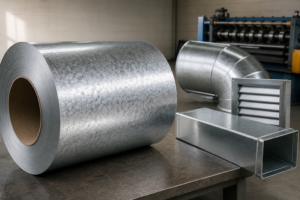
1. Galvanized Steel Coil (GI): Hot-dipped zinc-coated steel is the workhorse of construction. It is used for roofing sheets, wall cladding, structural decking, purlins, framing components, and HVAC ductwork. The zinc layer provides sacrificial জারা সুরক্ষা — even if the surface is scratched during fabrication, the surrounding zinc continues to protect the exposed steel. For general construction in standard atmospheric conditions, galvanized coil with a Z100–Z275 coating weight is the most commonly specified material.
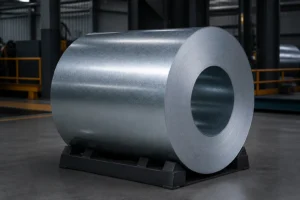
2. Galvalume Steel Coil (GL): A zinc-aluminum alloy coating (typically 55% Al, 43.5% Zn, 1.5% Si) that delivers roughly two to four times the corrosion resistance of standard galvanized coatings in outdoor exposure tests. Galvalume is strongly recommended for roofing and cladding in coastal, high-humidity, or industrial environments. Its heat-reflective properties also contribute to lower building cooling loads in hot climates.
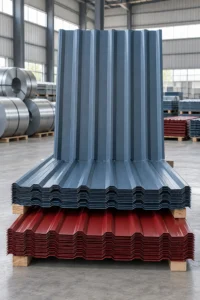
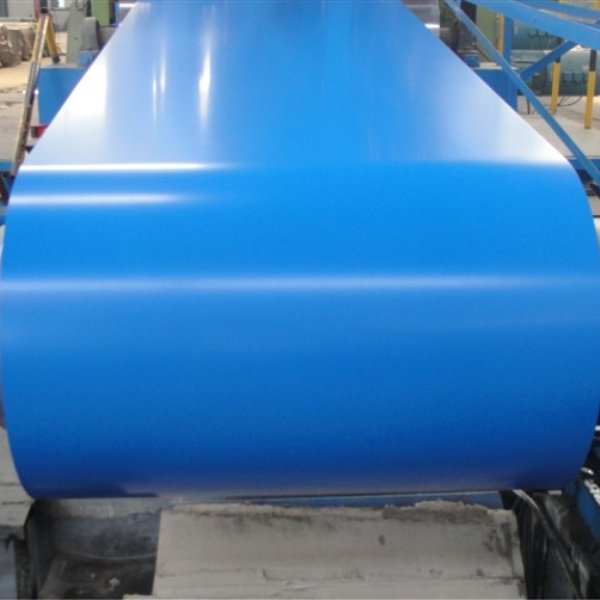
3. Pre-Painted Galvanized/Galvalume Coil (PPGI/PPGL): Factory-applied color coating over a galvanized or Galvalume substrate. The paint system — typically polyester, silicon-modified polyester (SMP), or PVDF — eliminates the need for on-site painting, ensures color uniformity across the entire building façade, and adds an additional barrier against UV degradation and chemical exposure. পিপিজিআই and PPGL are the standard choice for visible architectural roofing and wall panels where aesthetics matter alongside performance.
4. Cold-Rolled Steel Coil (CR): Used where tighter thickness tolerances and smoother surface finish are required — think interior framing, ceiling grids, and precision-formed building components. Cold-rolled coil is not corrosion-resistant on its own, so it is typically used in interior or protected applications, or as the base substrate for subsequent galvanizing or painting processes.
Six Factors to Evaluate When Choosing a Steel Coil Supplier
1. Mill Certifications & Standards Compliance
A supplier worth considering should provide full traceability through Mill Test Certificates (MTCs) with every shipment. The MTC documents the chemical composition of the steel substrate, the mechanical properties (yield strength, tensile strength, elongation), and the verified coating mass. Look for material produced to recognized international standards — ASTM A653/A653M, ASTM A792, EN 10346, or JIS G3302 — depending on your regional building code requirements. ISO 9001 certification at the mill level is the baseline; for automotive-grade or critical structural applications, IATF 16949 certification provides an additional layer of quality assurance.
2. Coating Weight & Consistency
Not all Z275 coatings are equal. A reputable supplier will provide triple-spot testing data per coil or per heat, demonstrating that the zinc or zinc-aluminum coating mass is consistent across the full coil width — not just at the center. Coating inconsistency leads to premature corrosion at the coil edges, which often correspond to cut edges on the finished roofing or cladding panel. For projects within 5 km of saltwater, a minimum Z275 (GI) or AZ150 (GL) coating is the typical recommendation; standard inland construction can often specify Z120–Z180 with confidence.
3. Dimensional Range & Slitting Capability
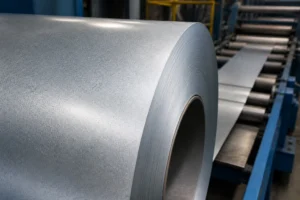
Construction projects rarely consume full-width mill coils. Most require slit coils at specific widths — roofing profiles need one width, flashing and trim need another, structural decking needs a third. A supplier with in-house slitting capability can consolidate your order: one master coil, slit to multiple target widths, delivered as a single shipment. This reduces logistics cost, minimizes material handling, and simplifies inventory management on site. Confirm the supplier’s minimum and maximum slitting widths, thickness capacity (typically 0.15 mm to 3.0 mm for construction-grade material), and coil weight options.
4. Surface Treatment & Paint System
If you are ordering color-coated coil, dig into the paint system specification — not just the color code. The primer type (polyester, epoxy, or polyurethane), the primer thickness (typically 5–10 μm), and the topcoat chemistry (PE for standard applications, SMP for improved fade resistance, PVDF for premium architectural specification) all determine how the building will look after 10 or 15 years of UV exposure. Anti-fingerprint and chromate-passivated surface treatments are available for applications where the coil will be handled extensively before installation or where extended storage life is required.
5. Export Packaging & Logistics
For international procurement, প্যাকেজিং quality is as important as product quality. Coils that arrive with moisture damage, edge corrosion, or handling marks have already lost value before they reach the job site. The recommended standard is three-layer export packaging: an inner vapor-phase corrosion inhibitor (VCI) film, an impact-absorbing intermediate wrap, and a heavy-gauge outer layer with galvanized steel edge protectors and through-bore strapping. For maritime shipments to tropical destinations, desiccant packs inside each coil eye and containerized transport with moisture monitoring are prudent additions.
6. Lead Time & Inventory Depth
A supplier’s ability to meet your project schedule depends on their mill relationships and inventory position. For standard construction grades in common dimensions, 2–4 weeks from order confirmation is typical. Custom specifications — non-standard coating weights, narrow slit widths, or specialized paint systems — may extend lead times to 6–10 weeks. For large-volume annual contracts, a supplier that offers buffer stock programs — where a percentage of your forecast volume is held in inventory and released against purchase orders — can reduce lead time variability from weeks to days.
Where to Buy: Introducing BOMIS Steel
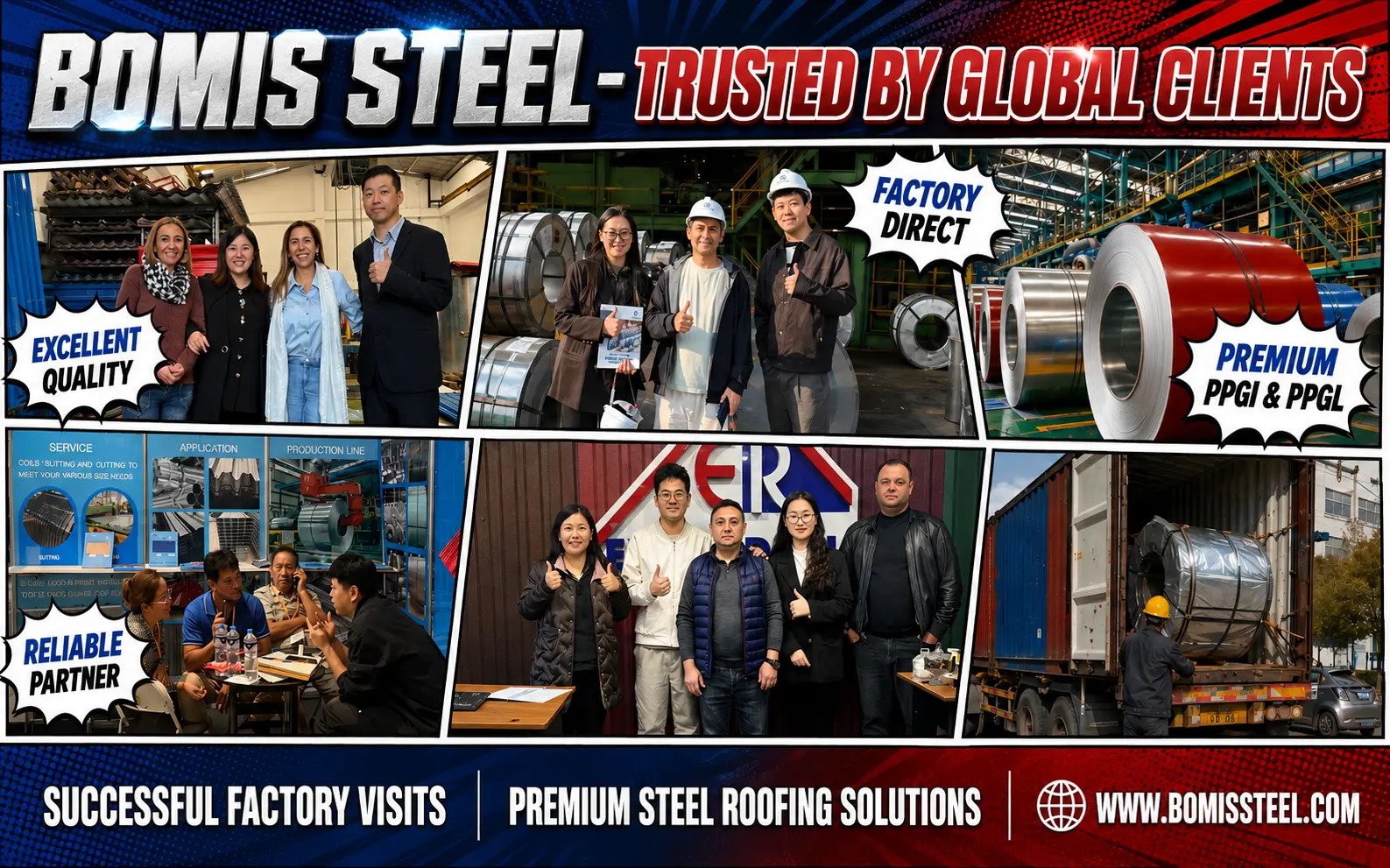
For construction industry buyers seeking a reliable supply of galvanized, Galvalume, PPGI, PPGL, and cold-rolled steel coils, বোমিস স্টীল (bomissteel.com) offers a focused product line engineered specifically for building and construction applications.
BOMIS sources from ISO-certified mills with established quality management systems, and every shipment is accompanied by full Mill Test Certificates documenting chemical composition, mechanical properties, and verified coating mass. The product range covers the core construction coil categories:
- গ্যালভানাইজড স্টিল কয়েল (জিআই) — Z60 to Z275 coating weights, 0.15 mm to 3.0 mm thickness, widths up to 1,600 mm. Standard and slit coil formats. The foundational material for roofing sheets, wall panels, structural decking, and framing components.
- Galvalume Steel Coil (GL) — AZ70 to AZ150 coating weights with the 55% Al-Zn alloy system. Superior corrosion resistance for coastal installations and long-span industrial roofing. Available in the same dimensional range as the galvanized line.
- Pre-Painted Galvanized Steel Coil (PPGI) — Factory-applied PE, SMP, or PVDF coating systems over a galvanized substrate. Standard RAL colors from stock with custom color matching available for volume orders. Used extensively for architectural roofing, wall cladding, and visible structural elements.
- Pre-Painted Galvalume Steel Coil (পিপিজিএল) — Combines the corrosion performance of the Galvalume substrate with the aesthetic and UV-protective benefits of a factory-applied paint finish. Recommended for premium architectural projects in environmentally aggressive locations.
- Cold-Rolled Steel Coil (CR) — Tight-thickness-tolerance material for precision-formed building components, interior framing systems, and applications requiring a clean, smooth surface finish.
For procurement teams managing multi-site or multi-phase construction programs, BOMIS offers value-added services including precision slitting to custom widths, cut-to-length sheeting, and custom coil weight configuration. Consolidating material supply with processing services through a single supplier reduces freight costs, simplifies the vendor approval process, and ensures consistent material specification across all project phases.
For a deeper dive into supplier evaluation, read our guide on identifying reliable steel suppliers and avoiding trade problems.
Recommended Procurement Workflow
Based on common construction industry practice, a structured approach to steel coil procurement typically follows this sequence:
1. Define the technical specification first. Before requesting quotes, lock down the substrate type (GI/GL/CR), coating weight, thickness, width, paint system (if applicable), and the applicable international standard. Ambiguous specifications lead to non-comparable quotes and increase the risk of receiving material that meets the letter but not the intent of your requirements.
2. Request MTC samples with the quotation. A supplier that cannot or will not provide sample Mill Test Certificates during the quotation stage is a red flag. Review the MTC for the actual — not nominal — chemical and mechanical values, and confirm the coating mass testing methodology (triple-spot vs. single-spot).
3. Account for logistics in the total cost comparison. A lower FOB price from a mill without container-loading expertise can result in higher total landed cost once freight, insurance, port charges, and potential damage claims are factored in. Request quotes on a CIF or DAP basis for true cost comparability, and ask about the supplier’s claims rate — a low claims rate over multiple years of shipping history is a strong indicator of consistent packaging quality.
4. Start with a trial order. For a new supplier relationship, a trial order of 10–25 tons allows both parties to validate specification compliance, packaging quality, documentation accuracy, and communication responsiveness before committing to volume contracts. Building a reliable supply chain is a cumulative process — it is worth the upfront investment in qualification.
5. Establish a rolling forecast. Once the supplier relationship is proven, sharing a 3–6 month rolling forecast enables the supplier to reserve mill capacity and maintain buffer stock aligned with your project schedule. This reduces lead time variability and provides cost predictability for project budgeting.
Related reading: Before finalizing your steel coil order, review our comprehensive guide to common quality problems in galvanized steel coils — it covers everything from rust detection to coating thickness measurement, helping you avoid costly quality disputes.
Related: Protecting your coils does not stop at inspection. Read our guide to best practices for managing steel coil inventory risks for a complete framework covering storage conditions, rack systems, handling safety, and inventory tracking.
প্রায়শই জিজ্ঞাসিত প্রশ্নাবলী
Q: What is the typical minimum order quantity for construction-grade steel coils?
A: For standard specifications — such as 0.5 mm galvanized coil in 1,220 mm width — the minimum order quantity is typically 5–10 metric tons per size and specification combination. Custom slit widths, non-standard coating weights, or specialized paint systems may carry higher MOQs of 25–50 tons due to mill setup requirements. For buyers developing new products or qualifying a new supplier, smaller trial quantities can often be accommodated — it is recommended to discuss requirements directly with the supplier’s sales team.
Q: How do I verify the zinc coating weight on received material?
A: Coating mass is verified through standardized testing — typically the triple-spot test described in ASTM A90/A90M or the equivalent EN 10346 method. A magnetic gauge provides a rapid non-destructive indication, but for contractual verification, the gravimetric (weigh-strip-weigh) method is the reference standard. Reputable suppliers include the coating mass test results on the Mill Test Certificate with each shipment. For critical applications, third-party inspection at the mill prior to shipment — through organizations such as SGS, Bureau Veritas, or Intertek — provides an independent verification layer.
Q: What is the difference between galvanized and Galvalume for roofing applications?
A: Galvanized coating is pure zinc applied via hot-dipping. It provides excellent barrier and sacrificial protection and has been the construction industry standard for decades. Galvalume (55% Al-Zn) adds aluminum to the coating alloy, which forms a stable, passive oxide layer that significantly slows the corrosion rate. In standardized outdoor exposure testing, Galvalume has demonstrated approximately two to four times the corrosion resistance of standard galvanized coatings of equivalent thickness. For roofing in coastal, high-humidity, or industrial environments, Galvalume is the typical engineering recommendation. Galvanized remains a fully appropriate and cost-effective choice for inland construction in standard atmospheric conditions.
Q: Can I order steel coils in custom colors for a specific building project?
A: Yes. For volume orders — typically 25 tons or more per color — mills can formulate custom paint colors to match project specifications or corporate brand guidelines. The custom color development process involves lab matching, panel sampling for approval, and a production trial run. Lead times for custom colors are typically 6–10 weeks from sample approval. For smaller volumes, selecting from the mill’s standard RAL color range is the more practical and cost-effective approach.
Q: How should steel coils be stored on a construction site?
A: Coils should be stored in a covered, dry area with stable temperature and low humidity. They should be kept off the ground on pallets, skids, or coil cradles — concrete floors can wick moisture into the coil eye, causing corrosion at the innermost windings. Original packaging should be maintained until the coil is ready for use. If packaging is opened for inspection, the coil should be re-wrapped or placed under temporary protection. Coils should not be stored directly on top of each other unless coil cradles or purpose-built racking is used; stacking without support can deform the outer windings and cause feed problems on roll-forming or slitting lines. For outdoor storage as a temporary measure only, full weatherproof covering with adequate ventilation to prevent condensation is suggested.