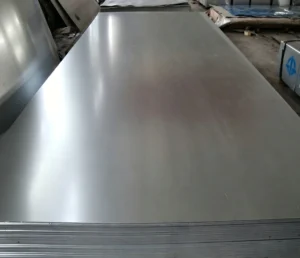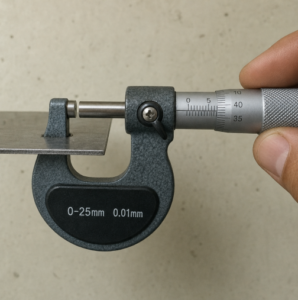

















Galvanized plates generally suit substantial structural components, while galvanized sheets suit roofing, cladding, flashing, and formed panels. The important distinction is not simply thick versus thin: steel grade, component geometry, zinc coating, and fabrication sequence all influence performance. This comparison explains where each option fits and how to compare outdoor durability without assuming that thicker steel automatically means better corrosion protection.
During a recent warehouse walk-through with an international construction buyer inspecting our ready-to-ship galvanized coil inventory, a familiar specification question came up: Where do we draw the line between ordering lightweight galvanized sheets for cladding versus heavy galvanized plates for structural load-bearing? When planning outdoor builds—from coastal warehouses to open-air steel framing—confusing gauge thicknesses or zinc-coating methods between sheets and plates can lead to either structural deflection or unnecessary material costs.

Below is a practical, side-by-side comparison of galvanized plates and galvanized sheets, covering thickness thresholds, coating processes, and which option performs best in outdoor construction.
Which option suits your outdoor construction project?
Choose galvanized steel plates when the design calls for substantial connection pieces or fabricated structural components. Choose galvanized sheets when the job calls for broad coverage, folded details, or profiled building panels. Neither product name establishes load capacity; specify the steel grade, dimensions, coating, and finished component requirements before ordering.
| Selection criterion | Galvanized plates | Galvanized sheets |
|---|---|---|
| Typical project role | Structural connection pieces and fabricated assemblies | Roofing, wall cladding, flashing, and formed panels |
| Product form | Generally thicker individual pieces | Generally thinner flat or profiled material |
| Common coating sequence | Fabricate first, then batch hot-dip galvanize | Continuously galvanize strip before cutting and forming |
| Design emphasis | Connection forces, geometry, and fabrication details | Panel profile, support spacing, fastening, and coverage |
| Main caution | Do not treat thickness as a substitute for engineering | Do not select thickness without checking the finished panel system |
These are typical purchasing patterns, not universal definitions. Manufacturer product ranges can overlap, so avoid relying on a single thickness boundary between sheet and plate metal. State the required thickness in inches or millimeters and identify the applicable product specification.

Strength, stiffness, and weight need separate checks
A thicker piece is not automatically made from stronger steel. Strength is a material property associated with the grade; stiffness and load capacity also depend on dimensions, shape, supports, and connections. Manufacturers supply both sheet and plate products in different strength grades, making the actual specification more useful than the product label.
| Structural consideration | Galvanized plates | Galvanized sheets |
|---|---|---|
| Steel strength | Verify the specified grade | Verify the specified grade |
| Resistance to bending | Assess thickness and component geometry | Assess thickness, ribs, folds, and panel geometry |
| Weight planning | Calculate from actual dimensions and coating | Calculate from thickness, profile, coverage, and coating |
| Load verification | Check the engineered component and its connections | Check applicable load/span data and support arrangement |
The practical implication is straightforward: do not substitute flat sheet metal for a designed plate connection, or a heavier flat plate for a tested roof profile, based on appearance alone. Profiled steel sheets can perform structural roles because their geometry is part of the design. Roofing manufacturers therefore publish load tables tied to specific thicknesses and support configurations rather than one general rating for sheet.
Which resists outdoor corrosion better?
Neither galvanized plates nor galvanized sheets automatically resist corrosion better. Zinc coating thickness and the exposure environment are central to service life. Batch-galvanized fabricated steel commonly receives a heavier coating than continuously galvanized sheet, but the actual coating requirement—not the word “plate”—is what buyers should compare. (galvanizeit.org)
| Durability criterion | Galvanized plates | Galvanized sheets |
|---|---|---|
| Main protection | Zinc barrier and sacrificial protection | Zinc barrier and sacrificial protection |
| Coating verification | Confirm the specified batch-galvanizing requirements | Confirm the sheet coating designation |
| Edges and holes | Features completed before galvanizing receive coating | Cutting or punching after coating can expose steel |
| Severe exposure | Assess zinc thickness and possible additional coating | Assess coating weight and possible factory-applied finish |
| Reliable lifespan estimate | Requires coating and exposure information | Requires coating and exposure information |
The American Galvanizers Association distinguishes batch galvanizing after fabrication from continuous galvanizing before fabrication. That difference matters at edges, holes, and other worked areas: an edge cut before batch galvanizing can receive zinc coverage, whereas cutting precoated sheet exposes a new steel edge. Nearby zinc offers sacrificial protection, but this should not replace an appropriate edge-treatment specification.
For sheet products, coating designations need careful reading. জি৯০, for example, describes zinc coating weight totaling both sides, not the thickness of the steel and not a coating weight on each face. Do not compare a sheet coating designation directly with a batch coating thickness without converting them to a consistent basis.
Coastal salt, road-salt exposure, and other aggressive conditions deserve a separate coating review. A compatible paint or powder coating over galvanizing may be appropriate, but surface preparation and repair-material compatibility need planning. Neither thicker steel nor an unspecified extra finish guarantees a particular outdoor lifespan.
Fabrication sequence changes the result
Galvanizing works best when it is considered before fabrication, not added as an afterthought. Plate assemblies often go to the galvanizer after cutting, drilling, and welding; sheet products commonly arrive already coated for subsequent forming. Those routes create different responsibilities for coating continuity and dimensional control.
| Fabrication issue | Galvanized plates | Galvanized sheets |
|---|---|---|
| Cutting and drilling | Complete before batch galvanizing where practical | Follow the product requirements for newly exposed areas |
| Forming | Coordinate steel grade, tooling, and bend geometry | Select a grade and coating suitable for forming |
| Thermal distortion | Review assembly symmetry and thickness changes | Treat thin fabricated sections cautiously if batch galvanized |
| Field alterations | Plan coating repair where protection is removed | Follow the panel manufacturer’s cutting and repair instructions |
Thin flat material and assemblies combining unequal thicknesses can distort during batch hot-dip galvanizing as internal stresses are released. Discuss flatness requirements, bracing, weld arrangement, and assembly size with the fabricator and galvanizer early. Buying heavier material without reviewing the assembly does not address every cause of distortion.
Also distinguish galvanizing from generic metal plating. Zinc electroplating, continuous hot-dip coating, and batch hot-dip galvanizing are different processes with different applications and coating characteristics. Ask suppliers to identify the process and specification rather than accepting “zinc-coated” as a complete outdoor-performance description.
Which option costs less over the project life?
There is no dependable price winner without comparable quotations. Ask for the cost of the installed component or completed area, including fabrication, coating, delivery, handling, and expected maintenance. A price per ton alone cannot show whether either option meets the same functional requirement.
Use the same cost headings for both proposals:
| Cost item to request | Galvanized plates | Galvanized sheets |
|---|---|---|
| উপকরণ | Required grade, thickness, dimensions, and quantity | Required grade, thickness, profile, and effective coverage |
| Fabrication | Cutting, holes, forming, welding, and finishing | Cutting, forming, laps, trims, and panel preparation |
| Corrosion protection | Galvanizing, inspection, and specified repairs | Coating designation, finish, and specified edge treatment |
| Installation | Delivery, lifting, fit-up, and connections | Delivery, handling, supports, fasteners, and weather detailing |
| Maintenance | Inspection access and coating repairs | Inspection access, cut edges, joints, and coating repairs |
Treat these as quotation questions rather than assumptions about which material is cheaper. Obtain project-specific lead times, too. If two proposals use different coating levels, support arrangements, or finished dimensions, resolve those differences before comparing totals.
Specify the component, not just the material name
Use this checklist to turn the comparison into a purchasing brief. Complete it for each component rather than assigning one material to the entire project. Ask suppliers to flag anything they cannot confirm before you approve the order.
- Define the function: connection, support, roofing, cladding, flashing, or enclosure.
- State the steel requirements: grade, actual thickness, dimensions, tolerances, and finished geometry.
- Identify the coating: process, applicable specification, and coating thickness or weight designation.
- Describe exposure: salt, persistent moisture, drainage conditions, and access for maintenance.
- Assign fabrication responsibilities: who cuts, drills, welds, galvanizes, inspects, and repairs altered areas.
- Compare complete proposals: include supports, connections, installation, and maintenance assumptions.
For damaged batch hot-dip galvanized coatings, specify an appropriate repair procedure rather than an unspecified silver-colored paint. ASTM A780 addresses accepted repair methods, including zinc-rich paint, zinc-based solder, and zinc metallizing.
The decision: shortlist plates for substantial fabricated connections and sheets for formed building coverage, then verify each component against its structural and exposure requirements. Send the same drawings, coating expectations, and quotation checklist to prospective suppliers so their recommendations can be compared fairly.