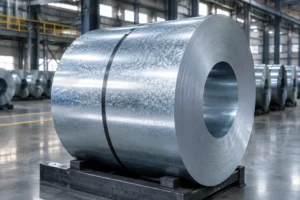
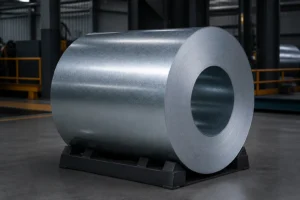
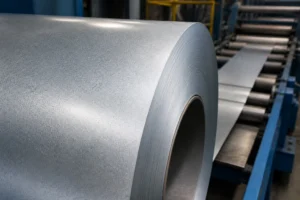
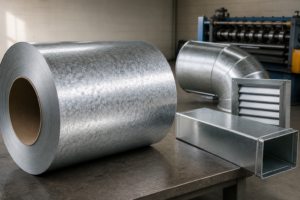
প্রতি বছর পাইকারী বিক্রেতা ও আমদানিকারকরা হাজার হাজার ডলার হারায়, কারণ আমদানির সময় লুকানো ত্রুটিযুক্ত গ্যালভানাইজড স্টীল কয়েলগুলো ধরা পড়ে না। এসব ত্রুটির মধ্যে রয়েছে প্যাকেজিংয়ের নিচে ইতিমধ্যেই জং ধরা কয়েল, কয়েক মাসের ব্যবহারের পর ভেঙে পড়া ত্রুটিপূর্ণ জিঙ্ক আবরণ, এবং পৃষ্ঠে গর্ত বা ক্ষয়, যা উচ্চ দৃশ্যমানতা প্রয়োজন এমন প্রকল্পে ব্যবহারের জন্য স্টীল কয়েলগুলোকে আকর্ষণহীন করে তোলে। আপনার গুদামে পৌঁছানোর আগেই গ্যালভানাইজড স্টীল কয়েল পণ্যের প্রায়শই দেখা যায় এমন গুণগত সমস্যাগুলো সম্পর্কে জানা আপনাকে বিরোধ এড়াতে এবং একটি কার্যকর সরবরাহ শৃঙ্খলা নিশ্চিত করতে সাহায্য করবে।.
এই গাইডটি প্রধান ত্রুটি বিভাগগুলো (প্রধানত মরিচা, ক্ষয়, আবরণ এবং আকৃতির ত্রুটি) চিহ্নিত করে এবং আপনাকে এই কয়েলগুলোর গ্রহণ, সংরক্ষণ ও প্রাক-উৎপাদন পরিদর্শনের সময় ব্যবহার করার জন্য পরিদর্শন কৌশল প্রদান করে। আপনার কয়েলগুলো চীন, ভারত বা দক্ষিণ-পূর্ব এশিয়ার দেশগুলো থেকে আসুক না কেন, এই গুণগত সমস্যাগুলো সম্পর্কে জ্ঞান রাখলে আপনি আপনার সরবরাহকারীদের জবাবদিহি করতে বাধ্য করতে পারবেন এবং আপনার গ্রাহকদের সুরক্ষা নিশ্চিত করতে পারবেন।.
গ্যালভানাইজড স্টীল ক্রেতাদের জন্য গুণগত পরিদর্শন কেন গুরুত্বপূর্ণ
ব্যবসা in গ্যালভানাইজড স্টিলের কয়েল খুবই সক্রিয়। একটি কন্টেইনার ২৫ থেকে ২৮ মেট্রিক টন পরিবহন করে, যেখানে অনেকগুলো কয়েল থাকে। যখন কোনো একটি কয়েলে গুরুতর ত্রুটি দেখা দেয়, তখন ব্যবসার জন্য পরিণতি মারাত্মক হয়। সম্পূর্ণ পণ্য আর ভালো হিসেবে গণ্য হয় না, ওয়ারেন্টি দাবি ওঠে, উৎপাদন বন্ধ হয়ে যায়, এবং ঠিকাদার ও নির্মাতাদের কাছে আপনার সুনাম মারাত্মকভাবে ক্ষতিগ্রস্ত হয়। সফল আমদানিকারকরা বুঝেন যে আগমনের পরিদর্শনের খরচ আসলে ব্যবসার ক্ষতি নয়, কারণ দীর্ঘমেয়াদে এটি খরচ বাঁচায় এবং লাভ নিশ্চিত করে।.
গ্যালভানাইজড স্টিল কয়েলগুলোতে গুরুতর গুণগত সমস্যা রয়েছে, যেগুলো পাঁচটি গ্রুপে সাধারণীকৃত। এই গ্রুপগুলো হলো আবরণ অনিয়মিততা, ক্ষয়জনিত ত্রুটি, পৃষ্ঠতলের ক্ষতি, দূষণ, এবং আকৃতি ও সমতলতার সমস্যা। এই প্রতিটি গ্রুপে কিছু গুণগত সমস্যা রয়েছে এবং এগুলো কয়েকটি পরিমাপের মাধ্যমে সহজেই শনাক্ত করা যায়। কয়েল পরিদর্শনে কিছু অভিজ্ঞতা অর্জনের পর, একটি কয়েল পরিদর্শনে গড়ে প্রায় পাঁচ মিনিট সময় লাগে।.
জং ও ক্ষয়: গ্যালভানাইজড স্টীল কয়েলের সবচেয়ে সাধারণ ত্রুটি
জং হল সবচেয়ে বড় কারণ যার জন্য গ্যালভানাইজড স্টীল কয়েলগুলো বন্দরে ফেরত পাঠানো হয়। গ্যালভানাইজড স্টীলের মূল উদ্দেশ্যই জং প্রতিরোধ করা। প্যাকট ক্ষয় নির্দেশ করে যে গ্যালভানাইজড স্টীলের জিংক আবরণ সম্পূর্ণরূপে ক্ষয়প্রাপ্ত হয়েছে বা ক্ষতিগ্রস্ত হয়েছে। জংয়ের তিনটি ধরন রয়েছে। পরিদর্শকদের জন্য এই তিনটি ধরন সনাক্ত করা অত্যন্ত গুরুত্বপূর্ণ। এখানে একটি টিপ: একটি সাদা কাপড় নিন এবং স্টীল কয়েলের পৃষ্ঠ বরাবর ঘষে দেখুন। যদি কাপড়ে সাদা গুঁড়ো লেগে থাকে, তাহলে সাদা মরচে উপস্থিত। লাল মরচে সনাক্ত করতে দৃশ্যমান পরিদর্শনই যথেষ্ট। এটি কয়েলের ধারগুলোতে সবচেয়ে সহজে করা যায়, কারণ সেখানে আর্দ্রতা সবচেয়ে বেশি থাকে।.
পরিদর্শনের সময় আপনাকে তিনটি স্বতন্ত্র ধরনের মরচে চিনতে হবে:
- কালো দাগগ্যালভানাইজড পৃষ্ঠে অন্ধকার দাগ, যা হট-ডিপ প্রক্রিয়ায় জিংক স্তরে আটকে থাকা অশুদ্ধি বা দূষণের উপস্থিতি নির্দেশ করে। কালো দাগগুলো হয়তো তাৎক্ষণিক জরুরি মনে নাও হতে পারে, তবে এগুলো অন্তর্নিহিত আবরণের দুর্বলতার সংকেত দেয়, যা কয়েল আর্দ্রতার সংস্পর্শে এলে ক্ষয়কে ত্বরান্বিত করে।.
- সাদা মরচেএকটি সাদা, গুঁড়ো মতো পদার্থ যা আর্দ্রতার সাথে জিংক আবরণের বিক্রিয়ার ফলে সাধারণত সংরক্ষণ বা সমুদ্র পরিবহনের সময় তৈরি হয়। সাদা মরচে হল প্রাথমিক সতর্ক সংকেত — জিংক ক্ষয় হচ্ছে। যদি সময়মতো ধরা পড়ে এবং আবরণের পুরুত্ব এখনও যথেষ্ট থাকে, পৃষ্ঠ পরিষ্কার করার পর কয়েলটি ব্যবহারযোগ্য থাকতে পারে। যদি উপেক্ষা করা হয়, সাদা মরচে লাল মরচেতে পরিণত হয়।.
- লাল মরচে: চূড়ান্ত পর্যায়। দস্তার স্তর চলে গেছে, এবং এর নীচের ইস্পাত সাবস্ট্রেট অক্সিডাইজ হচ্ছে। পৃষ্ঠের যেকোনো স্থানে লাল মরচে দেখা গেলে সেই কয়েলটি প্রত্যাখ্যান করতে হবে, যদি না প্রভাবিত অংশটি ছেঁটে ফেলা হয় এবং অবশিষ্ট উপাদানটি স্বাধীনভাবে ত্রুটিমুক্ত বলে যাচাই করা হয়।.
পরিদর্শন টিপ: কয়েলের পৃষ্ঠ বরাবর একটি সাদা কাপড় চালান। যদি সাদা গুঁড়ো উঠে, তাহলে সক্রিয় সাদা মরচে আছে। লাল মরচের জন্য ভালো আলোয় দৃশ্যত পরিদর্শন সাধারণত যথেষ্ট—বিশেষ করে কয়েলের প্রান্ত এবং বাইরের মোড়কটি দেখুন, যেখানে পরিবহনের সময় আর্দ্রতার সংস্পর্শ সবচেয়ে বেশি হয়।.
অসম জিংক আবরণ: সনাক্তকরণ পদ্ধতি এবং গ্রহণযোগ্যতার মানদণ্ড
অসমান জিংক আবরণ সনাক্ত করা মরচে সনাক্ত করার তুলনায় কঠিন, তবে এটি সমানভাবে বিপজ্জনক। অসমান জিংক আবরণযুক্ত কয়েলগুলির কর্মক্ষমতা নির্ভরযোগ্যভাবে পূর্বাভাস করা যায় না: কিছু অংশে জিংকের পরিমাণ অপর্যাপ্ত থাকায় অকাল ব্যর্থতা ঘটবে, আর কিছু অংশে অতিরিক্ত জিংক থাকায় তা অকারণে ব্যয়বহুল ও ভারী হয়ে উঠবে।.
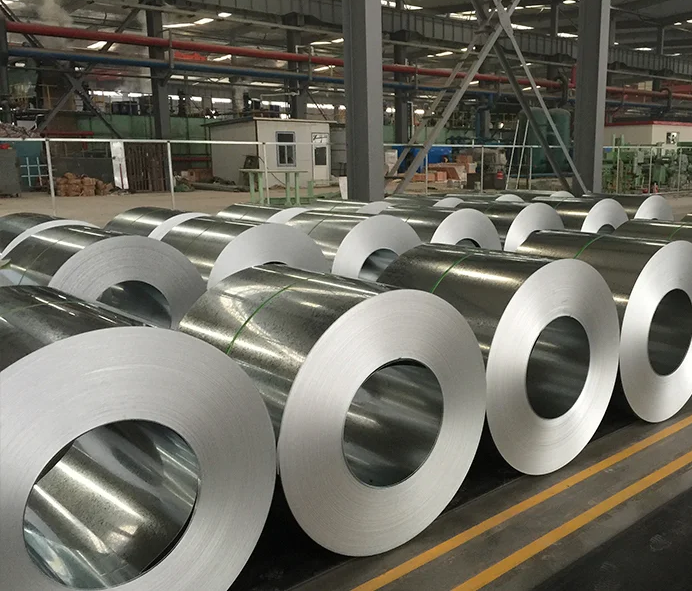
জিন্ক আবরণের পুরুত্ব নির্ধারণের জন্য সাধারণত তিনটি পদ্ধতি গ্রহণযোগ্য, যেগুলোর সঠিকতা, গতি এবং নমুনা ধ্বংসের দিক থেকে নিজস্ব সুবিধা ও অসুবিধা রয়েছে।.
| পদ্ধতি | ধরন | সেরা ব্যবহারের জন্য |
|---|---|---|
| চৌম্বক আবেশ | অ-ধ্বংসাত্মক, বহনযোগ্য | গ্রহণের পরিদর্শনের সময় দ্রুত স্পট পরীক্ষা; ফেরোম্যাগনেটিক সাবস্ট্রেটে কাজ করে |
| এক্স-রে ফ্লুরোসেন্ট (XRF) | অ-ধ্বংসাত্মক, ল্যাব-গ্রেড | নির্ভুল পরিমাপ এবং সরবরাহকারী নিরীক্ষা; আবরণের উপাদান এবং পুরুত্ব বিশ্লেষণ করে। |
| গ্রাভিমেট্রিক (ওজন-স্ট্রিপ-ওজন) | ধ্বংসাত্মক, রেফারেন্স স্ট্যান্ডার্ড | বিবাদের নিষ্পত্তি এবং মিল সার্টিফিকেশন; ASTM ও JIS সম্মতি নির্ধারণের রেফারেন্স পদ্ধতি |
এই তিন পদ্ধতির মধ্যে সবচেয়ে ব্যবহারিক হল একটি বহনযোগ্য চৌম্বকীয় ইনডাকশন গেজ। যতটা সম্ভব ত্রুটি নিয়ন্ত্রণের জন্য, কমপক্ষে পাঁচটি সমানভাবে বণ্টিত পরিমাপ (মধ্যভাগ, বাম প্রান্ত, ডান প্রান্ত এবং দুই প্রান্ত) নেওয়া উচিত। যদি যেকোনো দুইটি পরিমাপের বিচ্যুতি 15%-এর বেশি হয়, তবে আরও তদন্ত করা উচিত। অধিকাংশ ক্ষেত্রে এর মূল কারণ হট ডিপের সময় এয়ার নাইফ সমন্বয়ে ত্রুটি, যেমন ভুল চাপ, ভুল দূরত্ব বা নোজলের বাধা, যার ফলে আবরণে দাগ পড়ে।.
পৃষ্ঠের ত্রুটি: আঁচড়, খালি অংশ এবং যান্ত্রিক ক্ষতি
গ্যালভানাইজড স্টীল কয়েলগুলোকে পৃষ্ঠতলে কোনো ত্রুটিবিহীন হতে হবে, কারণ ত্রুটিগুলো স্টিলের সুরক্ষা ও মূল্য হ্রাস করে। যেহেতু দস্তার মূল উদ্দেশ্য হল নীচের ইস্পাতকে ক্ষয় থেকে রক্ষা করা, দস্তার আঁচড় ক্ষয়কে নীচের ইস্পাতে আক্রমণ করার সুযোগ দেয়। এটি সেই সব ক্রেতাদের জন্য অগ্রহণযোগ্য যারা ছাদ, ক্ল্যাডিং ও অন্যান্য আবরণসহ শেষ ব্যবহারে দৃশ্যমান পণ্য বিক্রি করেন, কারণ নিম্নমানের পৃষ্ঠতলের ইস্পাত পণ্য গ্রহণযোগ্য নয়।.
স্টীলের সবচেয়ে সাধারণ পৃষ্ঠ ত্রুটিগুলি হল:
- নগ্ন দাগহট-ডিপ গ্যালভানাইজিংয়ের সময় জিঙ্ক যেখানে আবদ্ধ হতে ব্যর্থ হয়েছে সেখানে ঝকঝকে স্টীল প্যাচ দেখা যায়। এর কারণ অপর্যাপ্ত পৃষ্ঠ প্রস্তুতি—অবশিষ্ট তেল, মিল স্কেল বা সাবস্ট্রেটে থাকা ধুলো জিঙ্ককে আবদ্ধ হতে বাধা দিয়েছে। এমনকি একটি ছোট খালি দাগও বায়ুমণ্ডলীয় সংস্পর্শের কয়েক দিনের মধ্যেই জং ধরে যাবে।.
- খোঁচা ও আঁচড়কয়েলের বরাবর বা আড়াআড়ি চলে যাওয়া সরল রেখার দাগ, সাধারণত ক্ষতিগ্রস্ত রোলার, দূষিত গাইড সরঞ্জাম বা স্লটিং ও রিওয়াইন্ডিংয়ের সময় রূক্ষ হ্যান্ডলিংয়ের কারণে। দস্তার স্তর ভেদ করে যাওয়া গভীর আঁচড় একটি প্রত্যাখ্যাত ত্রুটি।.
- দাগ এবং আঘাতের চিহ্নঅযথা কয়েল হ্যান্ডলিংয়ের কারণে স্থানীয় বিকৃতি — ফর্কলিফ্টের সংস্পর্শ, স্ট্র্যাপিং সরঞ্জাম পড়ে যাওয়া, বা যথাযথ ডানেজ ছাড়া কয়েল স্তূপীকরণ। ডেন্টগুলো চাপ ঘনীভবন বিন্দু তৈরি করে এবং প্রভাবিত এলাকা সমতল প্রয়োগের জন্য অনুপযোগী করে তোলে।.
- এক্সফোলিয়েশন (পিলিং)জিংকের স্তর ইস্পাত সাবস্ট্রেট থেকে ফ্লেক বা শীট আকারে আলাদা হয়ে যায়। এটি মৌলিক আঠালোতার ব্যর্থতা নির্দেশ করে, যা সাধারণত অপর্যাপ্ত প্রিট্রিটমেন্ট ক্লিনিং বা ভুল বাথ তাপমাত্রা ও ডুবানোর সময়ের কারণে ঘটে। এক্সফোলিয়েশন সবসময়ই একটি প্রত্যাখ্যাত ত্রুটি — এমন কোনো মেরামত পদ্ধতি নেই যা ধাতব বন্ধন পুনরুদ্ধার করতে পারে।.
আগত পরিদর্শনের জন্য, পর্যাপ্ত আলোতে (ন্যূনতম ৫০০ লক্স) প্রতিটি কয়েলের প্রথম তিন থেকে পাঁচ মিটার উন্মোচন করুন। স্টীলের পৃষ্ঠ বরাবর আপনার হাত বুলান। আপনার আঙুলগুলো আপনার চোখের তুলনায় অনেক বেশি সংবেদনশীল, এবং স্টীলের পৃষ্ঠের অনিয়মিততাগুলো আপনার চোখের দেখার চেয়ে দ্রুত অনুভব করতে পারবে। একটি অস্থায়ী মার্কার দিয়ে স্টীলের পৃষ্ঠে ত্রুটিপূর্ণ স্থান চিহ্নিত করুন এবং স্কেলের জন্য একটি পরিমাপ যন্ত্রের সঙ্গে এর ছবি তুলুন, যা আপনার গুণগত নথিপত্রের অংশ হিসেবে থাকবে।.
ছিদ্র ও সূক্ষ্ম ছিদ্র: ছোট ত্রুটি, বড় পরিণতি
ছিদ্র এবং সূক্ষ্ম ছিদ্র হল সবচেয়ে কুখ্যাত গুণগত সমস্যাগুলোর মধ্যে অন্যতম, কারণ দ্রুত দৃশ্যমান পরীক্ষায় এগুলো খুঁজে পাওয়া কঠিন এবং সেবার সময় এগুলোর প্রভাব ব্যাপক। একটি পিনহোল, যার ব্যাস এক মিলিমিটারেরও কম হতে পারে, আর্দ্রতাকে স্টিলের সাবস্ট্রেটের সংস্পর্শে আসতে দেয়। এর ফলে ক্ষয় কোষ তৈরি হতে শুরু করে, যা জিংক স্তরের মধ্য দিয়ে অদৃশ্যভাবে ছড়িয়ে পড়ে যতক্ষণ না আবরণ ভেঙে পড়ে এবং ফোস্কা বা খোসলা আকারে ঝরে পড়তে শুরু করে।.
পিনহোল গঠনের কারণ হিসেবে অধিকাংশ সমস্যা প্রি-ট্রিটমেন্ট থেকেই শুরু হয়।.
- অসম্পূর্ণ ডিগ্রিজিং: ঠান্ডা-রোল করা সাবস্ট্রেটে তেল বা ড্রয়িং কম্পাউন্ডের অবশিষ্টাংশ মাইক্রোস্কোপিক বিন্দুতে জিঙ্কের আঠালোতা বাধাগ্রস্ত করে।
- Surface oxides not fully removed: Residual mill scale or rust spots on the incoming strip prevent uniform coating
- Dust or airborne particles: Contamination in the production environment settling on the strip between cleaning and zinc bath entry
- Roll pickup: Worn or contaminated rolls in the coating section transfer debris that creates repeating pinhole patterns
Detection requires a thorough inspection. For high-value projects a pinhole detector (preferably a wet sponge test or a high-voltage holiday detector) is the most reliable. For a typical receiving inspection, the coil is unrolled and inspected under bright lights at a low angle. This is to allow pinholes to reflect light more than the surrounding surface.
Shape Defects: Edge Waves, Center Buckle, and Camber
Shape defects do not affect corrosion resistance directly, but they create serious problems during downstream processing. A coil with edge waves will not feed straight through a roll forming line. Center buckle causes oil canning in roofing panels. Camber makes slitting inaccurate and produces trapezoidal blanks instead of rectangular ones.
The four main shape defects and how to check for them:
- Edge wave: The edges of the coil are longer than the center, creating a rippled appearance along both sides. Lay a two-meter straightedge across the coil width near the edge — any gap indicates wave amplitude. Cause: improper hot rolling or cold rolling tension distribution.
- Center buckle: The center portion of the coil is longer than the edges, creating ripples in the middle of the strip. Check by laying the straightedge diagonally across the coil. Cause: roll crown mismatch or uneven cooling on the run-out table.
- Camber: The coil edges are not parallel — the strip curves to one side when unrolled. Measure by laying a straightedge along one edge of an unrolled section and measuring the maximum deviation. Cause: uneven slitting or cross-thickness variation in the hot-rolled substrate.
- Crossbow: The strip curves across its width (the top surface is longer than the bottom). Check by cutting a short sample and laying it flat — crossbow reveals itself as the sample rocking on a flat surface. Cause: asymmetrical cold rolling or uneven coating thickness distribution.
Shape tolerances are defined in the mill’s test certificate against standards like ASTM A568 or JIS G3141. Always confirm the tolerance class (full hard, commercial quality, drawing quality) matches your application requirements before accepting the coil.
Coating Flaws Unique to Hot-Dip Galvanized Steel
Beyond basic coating uniformity, hot-dip galvanized steel coils are susceptible to a set of defects tied to the metallurgy of the zinc bath and the thermal cycle of the continuous galvanizing line.
Blisters and Peeling
Blisters appear as raised bubbles in the zinc coating — trapped gas or moisture that expanded during solidification. If the steel surface entering the zinc bath carries even trace amounts of moisture, oil, or rust, the rapid heating in the molten zinc (typically 450-460°C) vaporizes the contaminants and creates gas pockets that lift the coating. Blisters that remain intact may hold up in dry indoor applications but will eventually rupture in outdoor exposure. Peeled coating — where zinc separates in sheets — indicates a complete adhesion failure and is always grounds for rejection.
Dross Pimples and Zinc Slag Inclusions
Dross is an iron-zinc intermetallic compound that forms naturally in the galvanizing bath as iron dissolves from the steel strip. When dross particles are not properly managed — through temperature control, bath chemistry, and regular skimming — they become trapped in the coating as rough bumps or dark spots on the surface. Dross pimples create an uneven surface that interferes with painting, reduces the smoothness required for appliance-grade material, and creates thin spots in the surrounding zinc layer. Mills with modern in-line bath management systems produce significantly fewer dross-related defects than older facilities.
Dull Gray or Mottled Coating
A dull gray or patchy surface appearance is not necessarily a defect — it is a cosmetic characteristic driven by the steel chemistry, specifically the silicon and phosphorus content of the substrate. Reactive steels (typically with silicon above 0.04%) grow thick zinc-iron intermetallic layers that appear matte gray rather than bright and shiny. For most structural and industrial applications, this appearance has zero impact on corrosion performance. However, if the end use requires a uniform bright finish — architectural cladding, visible appliance panels, or automotive body panels — you must specify a substrate chemistry compatible with a bright coating finish at the time of order.
White Rust: The Storage and Logistics Problem
White rust deserves its own section because it is the single most preventable quality problem in the galvanized steel supply chain — and yet it remains one of the most common reasons for cargo claims. White rust forms when moisture condenses on tightly wound coils and cannot evaporate. The standing water reacts with the zinc coating to form zinc hydroxide and zinc carbonate — the white, powdery deposit that signals active coating consumption.
The conditions that cause white rust are well understood:
- Humidity above 60% in the storage environment or inside the coil প্যাকেজিং
- Rapid temperature changes during ocean transport — warm, moist daytime air condenses on cold coil surfaces at night
- Inadequate or damaged packaging — torn VCI paper, compromised shrink wrap, or missing desiccant packs
- Coils stacked directly on concrete floors in humid warehouses — concrete wicks ground moisture into the coil
- Transition from cold storage to warm processing area without acclimatization time
Prevention is straightforward: store coils in covered, ventilated areas; use breathable packaging with adequate desiccant; keep coils off the floor on wooden dunnage or steel cradles; and allow 24-48 hours of acclimatization when moving coils between environments with large temperature differentials. If white rust is discovered during receiving inspection, the severity determines the disposition: light surface white rust can be cleaned with a stiff brush and the remaining coating thickness measured; heavy white rust that has consumed significant zinc requires a claim.
Buyer’s Quality Inspection Checklist
A systematic receiving inspection process catches the vast majority of quality problems before the coils enter your inventory. Here is a practical checklist that requires minimal equipment and can be performed in under ten minutes per coil:
- Check packaging integrity: Look for tears in the outer wrap, missing or displaced desiccant, water stains on the packaging, and any signs the coil was exposed to rain during transport or unloading.
- Visual surface inspection: Unroll the first three to five meters under good lighting. Scan for rust (black spots, white powder, red rust), bare spots, scratches, dents, and surface roughness. A coil that looks clean on the outer wrap may still have defects one or two laps in.
- Coating thickness measurement: Take a minimum of five readings across the coil width with a calibrated magnetic induction gauge. Compare against the mill test certificate and your purchase order specification. Flag any reading below 90% of nominal.
- Shape and flatness check: Lay a two-meter straightedge across the unrolled strip width near the edge and diagonally. Measure any gap. For camber, unroll approximately three meters and check edge straightness.
- Dimensional verification: Measure the coil width at three positions along the unrolled length and verify thickness with a micrometer at the edges and center.
- Weight verification: Compare the actual coil weight against the mill tag. Significant discrepancies may indicate thickness issues or short shipment.
- Document everything: Photograph any defect with a scale reference and timestamp. Record all measurements in a receiving inspection report that ties back to the coil number and mill test certificate.
This checklist catches approximately 90% of actionable quality problems. The remaining 10% — internal defects, latent coating adhesion issues, or microstructural problems — require laboratory testing and are typically covered by the mill’s warranty and your long-term supplier relationship.
Why Supplier Selection Matters More Than Inspection
Inspection catches defects. Supplier qualification prevents them. The most effective quality strategy for galvanized steel coil importers is to invest effort upstream — in vetting mills, auditing production processes, and building relationships with suppliers who have demonstrated quality consistency over multiple shipments — rather than relying solely on receiving inspection to filter out bad material.
When evaluating a galvanized steel coil supplier, look beyond the price per ton and ask these questions:
- What continuous galvanizing line (CGL) technology does the mill operate? Modern lines with automated air knife control, in-line coating thickness gauges, and closed-loop bath chemistry management produce far fewer defects than older manually-controlled lines.
- Does the mill hold current certifications? ASTM A653, JIS G3302, EN 10346, or equivalent national standards demonstrate commitment to internationally recognized quality benchmarks.
- What is the mill’s approach to substrate sourcing? Mills that use hot-rolled substrate from their own upstream operations — or from a single qualified supplier — have tighter control over the steel chemistry that determines coating appearance and adhesion.
- What pre-treatment and cleaning capability is in place? The quality of alkaline degreasing, pickling, and rinsing before the zinc bath is the single biggest determinant of coating adhesion and absence of bare spots.
- How does the mill handle packaging and loading for export? Export-grade packaging — VCI paper, edge protectors, steel strapping, desiccant packs, and weather-resistant outer wrap — is essential for coils traveling four to six weeks by sea.
At বোমিস স্টীল , we source galvanized steel coils from ISO 9001-certified mills with modern continuous galvanizing lines and a documented track record of export-quality consistency. Every shipment includes a full mill test certificate, and our quality team conducts pre-shipment inspection as a standard service — not an optional extra. This means you receive coils that have passed two layers of quality verification before they leave the port of origin.
Beyond inspection, choosing the right supplier from the start prevents most quality issues. See our framework for identifying reliable steel suppliers to avoid trade problems.
প্রায়শই জিজ্ঞাসিত প্রশ্নাবলী
What is the most common quality defect in galvanized steel coils?
Rust — in the form of white rust (zinc corrosion) or red rust (steel substrate corrosion) — is the most frequently reported quality problem. White rust typically results from moisture exposure during storage or ocean transport. Red rust indicates complete coating failure and is grounds for rejection. Regular inspection at the receiving stage catches both before they become downstream problems.
How do I check for uneven zinc coating thickness?
Use a portable magnetic induction coating thickness gauge. Take readings at a minimum of five positions across the coil width: both edges, left quarter, right quarter, and center. The variance between the highest and lowest reading should not exceed 15%. If it does, the coil may have air knife streaking issues from the galvanizing line, and further investigation is warranted.
Can scratches on galvanized steel coils be repaired?
Minor surface scratches that do not penetrate the zinc layer are cosmetic and generally acceptable for non-visible applications. Scratches that expose the steel substrate can be spot-repaired with zinc-rich paint or thermal spray, but this is a temporary fix — the repaired area will not match the service life of the original hot-dip coating. Deep or numerous scratches should trigger a supplier claim.
Is dull gray coating a sign of poor quality?
No. A matte gray or mottled surface appearance is a cosmetic characteristic caused by the silicon and phosphorus content of the steel substrate, not a quality defect. It has no impact on corrosion resistance. The coating provides the same level of protection regardless of whether the surface is bright and shiny or dull gray. If a bright finish is required for your application, specify a low-silicon substrate grade at the time of order.
How can I prevent white rust during ocean transport?
Specify export-grade packaging: VCI (volatile corrosion inhibitor) paper between coil wraps, adequate desiccant packs inside the packaging, weather-resistant outer shrink wrap, and edge protectors. Ensure the coils are loaded under-deck whenever possible, and request that the packaging includes breathable vents to prevent condensation buildup. If your destination port is in a tropical climate, arrange for immediate transfer to covered storage upon arrival.
What should I do if I discover defects in a shipment?
Document the defect immediately with timestamped photographs showing a scale reference and the coil number tag. Do not use or process the affected coil — leave it in as-received condition. Notify your supplier within the timeframe specified in your purchase contract (typically 7-14 days from receipt). Provide the inspection report, photographs, and coating thickness measurements. Reputable suppliers will work with you on replacement, discount, or return based on the severity and extent of the defect. This is why working with established exporters who stand behind their quality — rather than trading companies with no mill relationship — matters for your long-term business.
Where can I source quality-assured galvanized steel coils?
Galvanized steel coils are produced by mills across China, South Korea, India, Vietnam, and other major steel-producing countries. BOMIS Steel supplies GI and GL coils to importers, wholesalers, fabricators, and construction companies worldwide. We provide mill test certificates with every shipment, conduct pre-shipment quality inspection as standard, and offer competitive pricing backed by consistent mill relationships. Contact our sales team for specifications, coil availability, and a quotation for your market.
Related: Protecting your coils does not stop at inspection. Read our guide to best practices for managing steel coil inventory risks for a complete framework covering storage conditions, rack systems, handling safety, and inventory tracking.