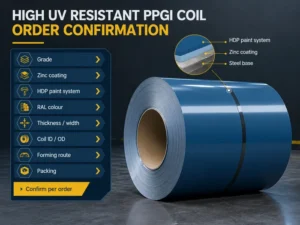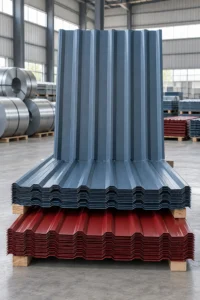













Pre-painted galvanized steel (PPGI) and pre-painted galvalume steel (PPGL) are the most commonly used material for metal construction and are therefore a popular metal building material. Therefore, in weighing the two, it is important to weigh the distinct virtues and the vices of the 2 solutions. Although PPGL and PPGI might seem to be similar, they are fit for use in different environments.
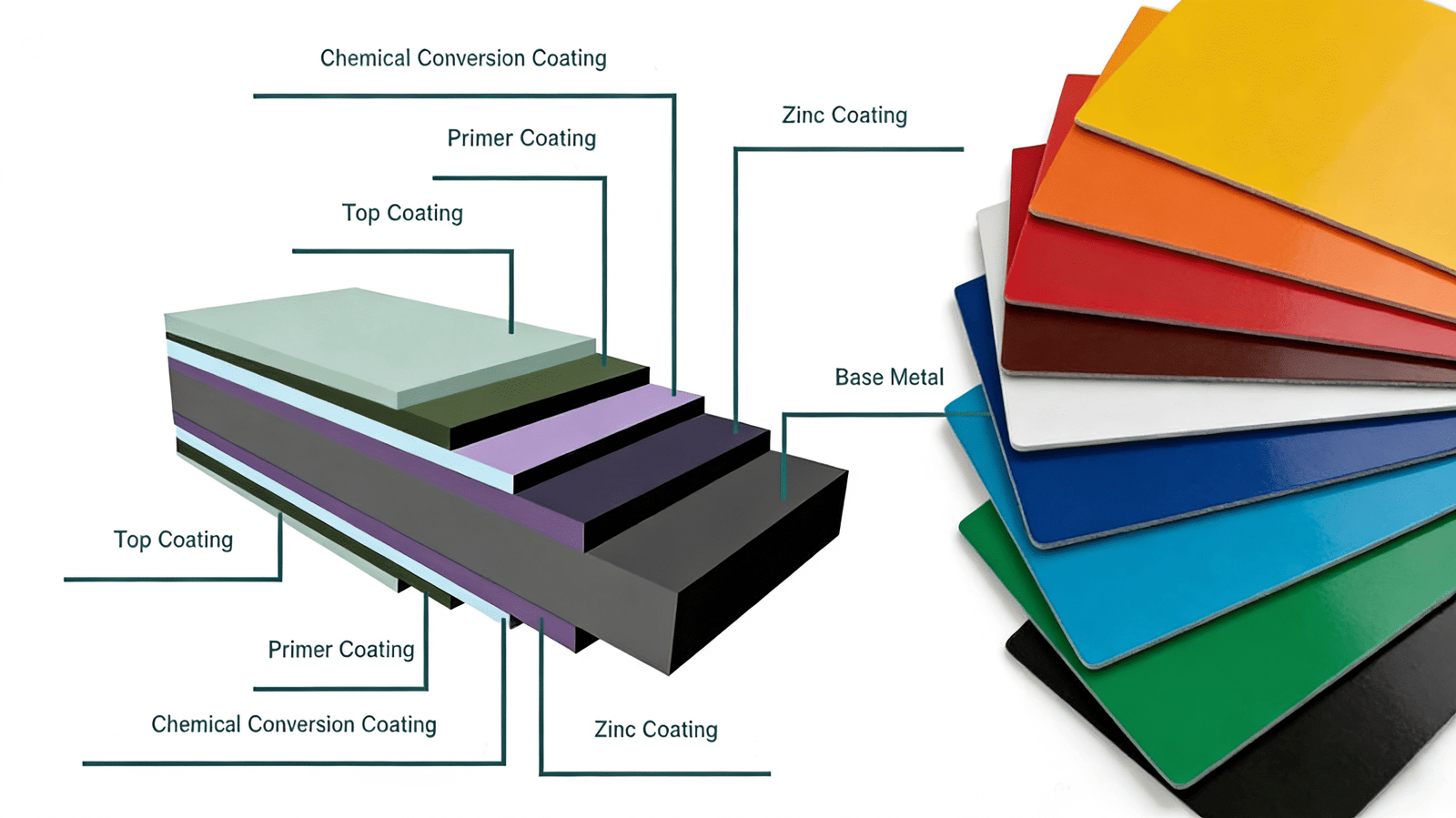
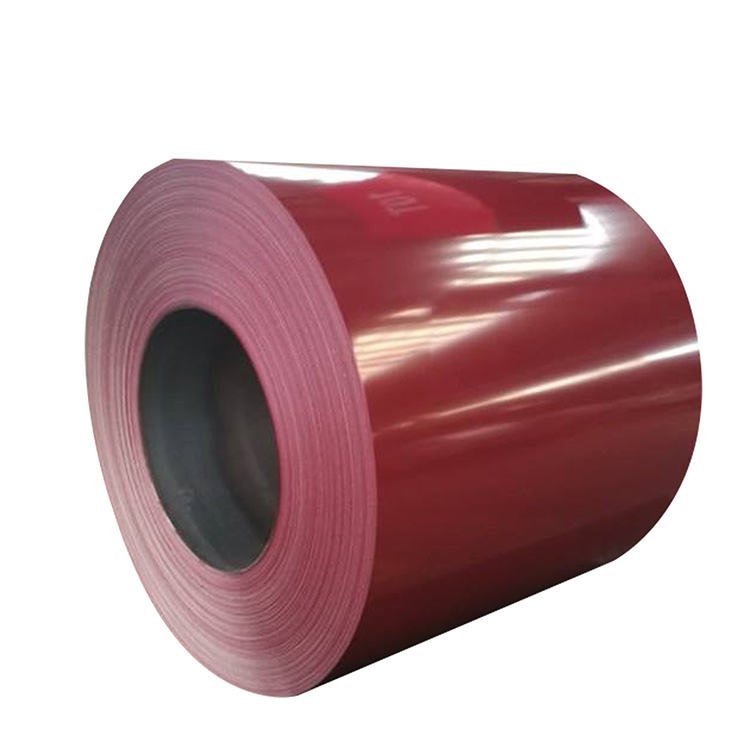
Both materials start from galvalume coils or galvanized coils as the base substrate before the paint system is applied. The coil quality directly determines the finished product performance.
| Feature | PPGI (Galvanized) | PPGL (Galvalume) |
| Coating | 100% Zinc | 55% Al, 43.4% Zn, 1.6% Si |
| Durability | Standard (10-15 years) | Superior (20-40 years) |
| Heat Resistance | Up to 200°C | Up to 315°C |
| Best For | Urban/Industrial | Coastal/High-Heat Regions |
What is PPGL? What is PPGI?
PPGI is prepared by performing the galvanizing step including application of zinc layer as a coating on a face and good quality paint coating to finish. This zinc coating has excellent resistance to corrosion which protects the steel from rust. And not only does the painted surface look good, it is also an extra line of defense against environmental damage, like ultraviolet rays, rain, wet weather, and chemicals.
PPGL: Galvalume steel in pre-painted form. In comparison, PPGL’s coating comprises aluminum, zinc and a small amount of silicon. This patented alloy coating, Galvalume, provides increased corrosion resistance than traditional galvanized coating. For instance, the aluminum incorporated into the coating creates a thick layer of protective oxide that will protect against future corrosion, and the zinc imparts sacrificial protection in case the oxide layer is damaged. Like PPGI, PPGL is also painted to enhance its look and offer added protection. Things to look for when selecting:
Corrosion resistance.
When comparing PPGI and PPGL, corrosion resistance is one of the key considerations. PPGL has the advantage when placed or applied to wet, salty-spray or corrosive environments or in the presence of chemicals. PPGL is created for heavy applications in both coastal and industrial regions, industrial sites, and industrial hard working
environments, with excellent corrosion resistance being the advantage of aluminum-zinc coating for high corrosion resistance. PPGI also has excellent corrosion resistance, but it could be slightly below PPGL performance for extreme corrosion, although still excellent corrosion resistance.
Cost-effectiveness. Construction / manufacturing projects invariably lean toward cost. Actually, PPGI is usually cheaper than PPGL in bulk due to a difference between the two coating types. Galvanized iron is a simpler and more available material, making it thus cheaper. If you have a tight budget and are not looking for the best of rust resistance as PPGI is likely to be more cost effective. When considering long term cost to maintain and replace the product, we need to be prepared to calculate it, so considering the best PPGL to corrosion resistance reduces the total cost over the life span. Formability and Workability. The formability and workability of the metal are also important here, in particular when the project is for bending or complex shapes. PPGI (or PPGL) is also easy to prepare and process, although there is a minor formability advantage to PPGL due to its characteristic coating. When it is used on materials, the aluminum present in Galvalume coated area is an advantage as it is known to cause increase in ductility in bending instead of cracking or peeling. If forming in your project involves a lot, maybe a PPGL is the answer.
Application Areas:
PPGI and PPGL The implication of your project application area is that it will be the strongest consideration that will determine whether you use PPGI or PPGL. It is a PPGI or PPGL application area because PPGI is the domain in which your project is expected to form. PPGI is widely employed in places, such as roofing, wall cladding and regular building where moderate corrosion resistance is sufficient. Furthermore, it is cheap and easy to work with; which is what accounts for its popularity as a DIY construction material. PPGL is particularly suitable for highly corrosion-resistant applications including those found in seawater, chemicals and power, for marine and coastal buildings and power plant applications. And it’s used in the automotive and appliance industries for its much higher durability and appearance.